The right kayak outing depends on the water
For a first paddle, a protected mangrove or estuary setting is usually more forgiving than an exposed crossing with boat wake and shifting wind. Oleta River State Park offers a variety of river, mangrove and bay routes; its concession lists kayak/canoe/SUP rental and guided paddling. Nine Mile Pond in Everglades National Park is something else: NPS describes a 5.2-mile marked trail with fluctuating water levels, shallow passage and wind-sensitive open sections. That is a planned backcountry activity, not a drop-in picnic pond.
The non-negotiable safety equipment
Florida FWC says human-powered kayaks, canoes and paddleboards operating as vessels need one U.S. Coast Guard-approved wearable life jacket for each person; children under six must wear a life jacket. A sound-producing device audible at least half a nautical mile is required. When operating between sunset and sunrise or in restricted visibility, the rules include a white-light source. Wearing the fitted life jacket is the safer default for everyone. A waterproof phone case does not replace your whistle, and a dry bag does not replace a PFD. Choose appropriate sizing and keep the safety equipment accessible.
Rent first, especially if trying kayaking
At Oleta the best first purchase may be no large equipment at all. Use the concession if it has the correct craft, paddle and fitted PFD available, then bring water, comfortable sun-safe clothing, a weather-appropriate hat and secure storage for small personal items. Ask exactly what the rental includes and where renters should launch. The park says visitors arriving with their own vessels should launch west of lots 5 and 6; this is not the same spot as the concession’s launch. Booking terms and individual rental inventory should always be checked directly.
Personal gear worth bringing
Consider a modest roll-top dry bag for a change of clothes, a securely attached phone pouch, a brimmed hat or UPF top, water and a small snack appropriate to trip length, sunglasses with retention and a small first-aid kit. For personal craft owners, add the correct paddle, suitable PFD, whistle, secure attachments and any navigation gear relevant to the actual route. The quantity of gear scales with distance and remoteness. A rental near civilization does not need the same expedition load as a multi-hour marsh trail.
Conditions change the plan
Review local weather, wind, thunderstorm risk, tide/current when relevant and boating restrictions before launching. Tell another person where you will paddle and when you expect to return. Avoid disturbing manatees, shallow seagrass and nesting wildlife; FWC asks paddlers to keep enough distance that animals do not respond to their presence. In mangrove routes, remain in the authorized channel and avoid entering signed refuges. If thunder threatens, do not wait on open water to see how it develops.
Three realistic example trips
Beginner at Oleta: take an operator-supported short rental in appropriate conditions; choose nearby protected water and make sure the return time leaves margin before concession closing. Guided Nine Mile Pond: use an organized Everglades Institute trip when water levels permit, with canoes and paddles provided; this option can eliminate the need to buy a canoe. Bring-your-own at Convoy Point: confirm the National Park Service access location and understand that the launch is unpaved and has different accessibility from the adjacent jetty walk.
Pack list ready for interaction
[ ] Boat or confirmed rental · [ ] Suitable paddle · [ ] One correctly fitted PFD per rider · [ ] Whistle / sound device · [ ] Water · [ ] Sun protection · [ ] Dry phone storage · [ ] Route, forecast and return plan · [ ] Launch rules confirmed · [ ] Optional dry bag, sunglasses retainer, compact first aid. Where to go next: /locations/florida/miami-dade/oleta-river-state-park/ , /locations/florida/miami-dade/nine-mile-pond-canoe-trail/ , / locations/florida/miami-dade/biscayne-national-park-convoy-point/. Sources .
A realistic out-and-back plan for beginners
Before booking a rental at Oleta, ask where the operator permits visitors to paddle, where to return equipment and when the rental period ends. Beginners should prefer a manageable distance and a generous return margin rather than setting out to cover the greatest possible area. A shorter paddling session with water, protection from the sun and an appropriately fitted PFD is more valuable than a long excursion for which the group has not prepared. If someone in the party is uncomfortable on open water or cannot safely use the offered boat, the appropriate recommendation may be a guided outing or a land-based visit.
Different destinations, different preparation logic
At Nine Mile Pond, the marked 5.2-mile Everglades route is sensitive to water level and wind; it cannot be marketed interchangeably with a short rental paddle near Miami. At Convoy Point, a visitor needs to understand that the water access is not equivalent to the paved jetty walk and that parts of Biscayne National Park are reachable only by vessel. Your packing list should reflect the actual boat launch and trip type, not just the word kayaking. If the rental operator does not specify the included safety equipment, confirm the PFD, paddle and sound signal before departure.
Related places in the directory
Pack for your activity
Recommended Equipment
Browse the complete related equipment collections below. Choose only what fits your outing, check rentals where available, and skip anything you already own.
Some equipment links are paid affiliate links. As an Amazon Associate I earn from qualifying purchases. Product images are examples; check the Amazon listing for the exact item.
Kayaking equipment · 9 products
Browse equipment category →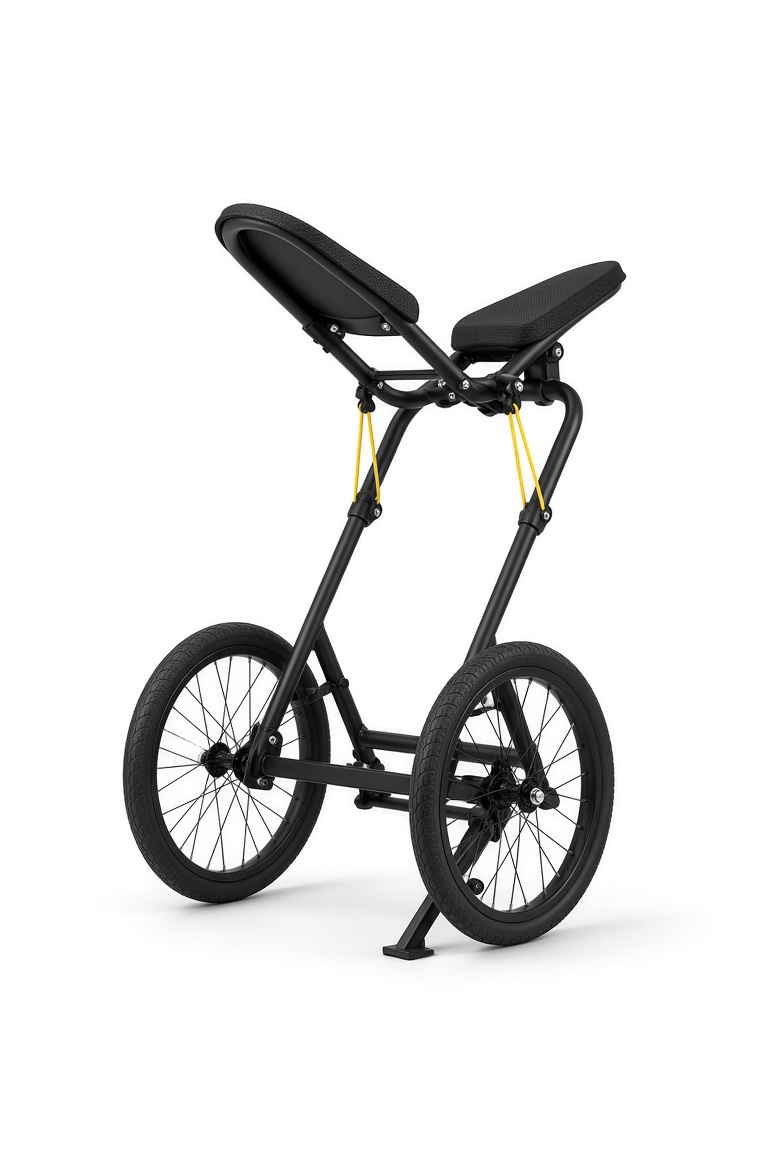
Kayak cart
Why choose it? Check fit, sizing and the needs of your actual activity before purchasing.
View on Amazon (paid link)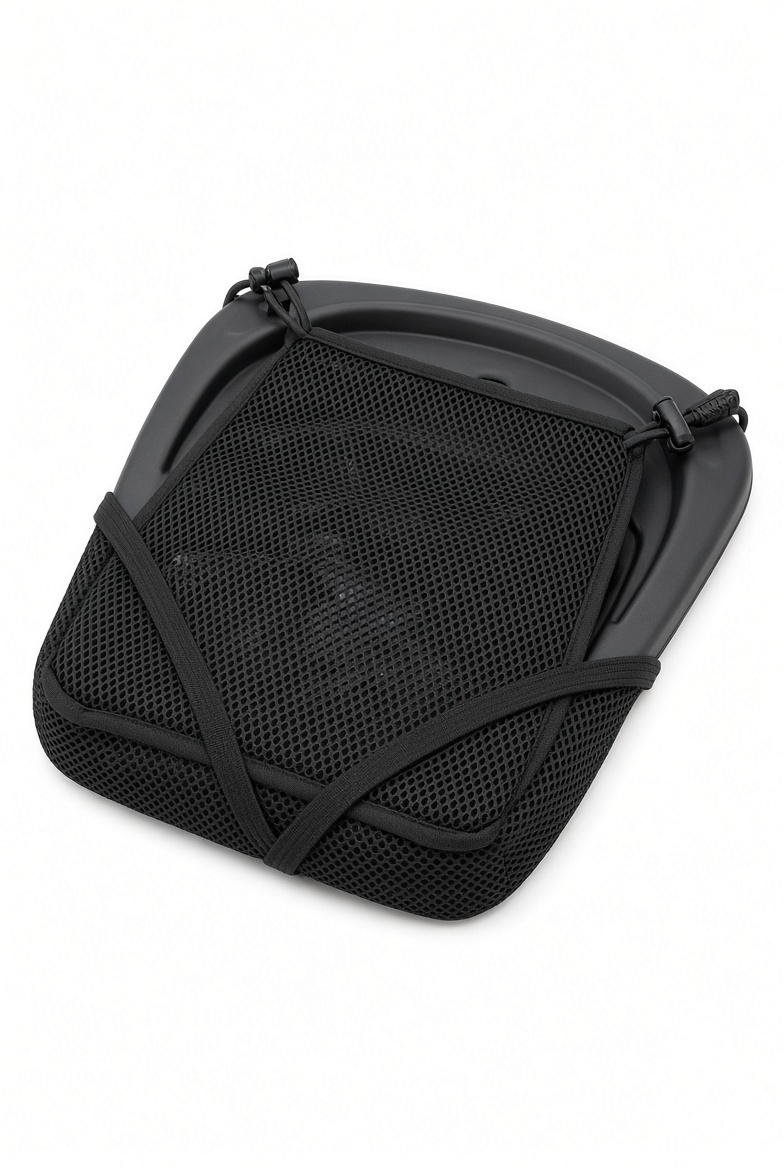
Kayak cockpit storage
Why choose it? Check fit, sizing and the needs of your actual activity before purchasing.
View on Amazon (paid link)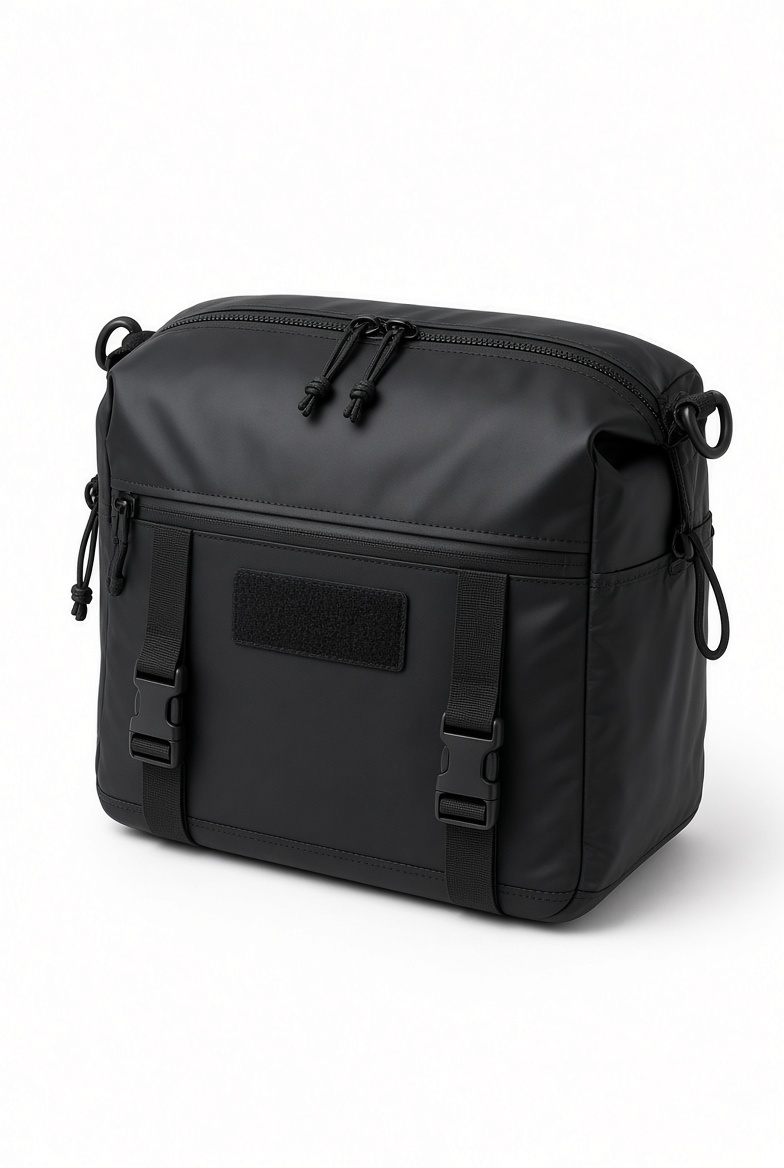
Kayak deck bag
Why choose it? Check fit, sizing and the needs of your actual activity before purchasing.
View on Amazon (paid link)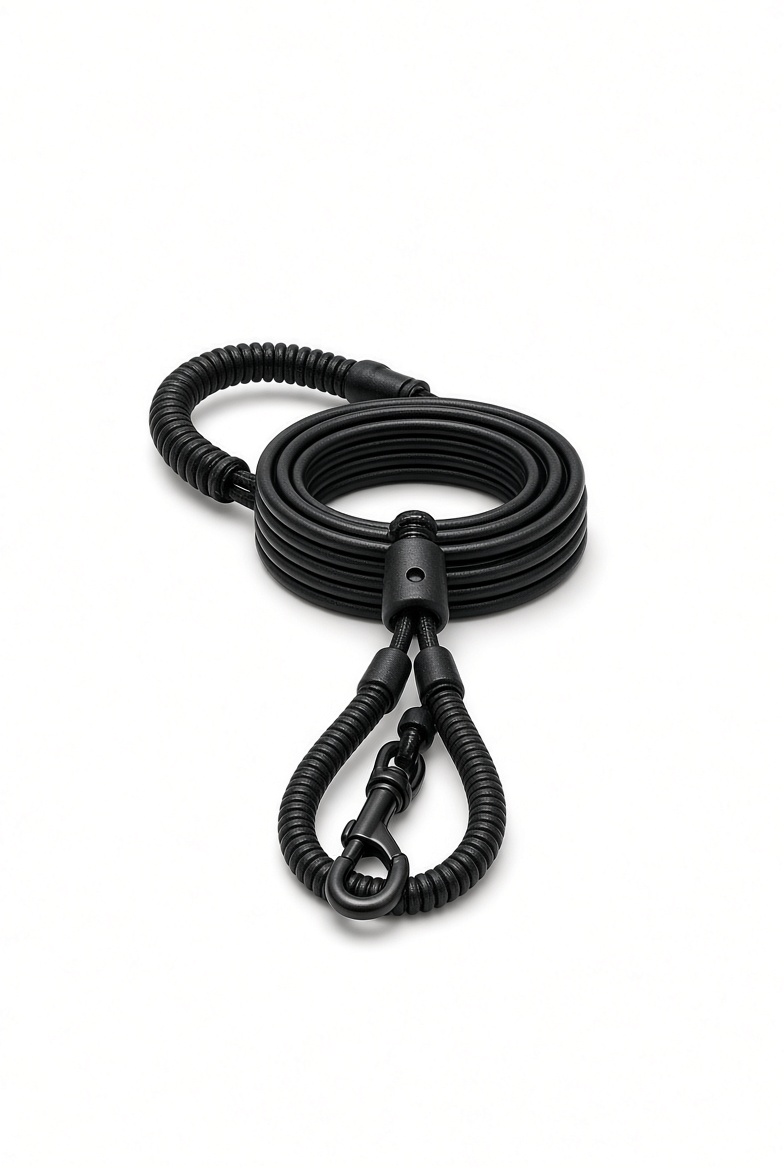
Kayak paddle leash
Why choose it? Check fit, sizing and the needs of your actual activity before purchasing.
View on Amazon (paid link)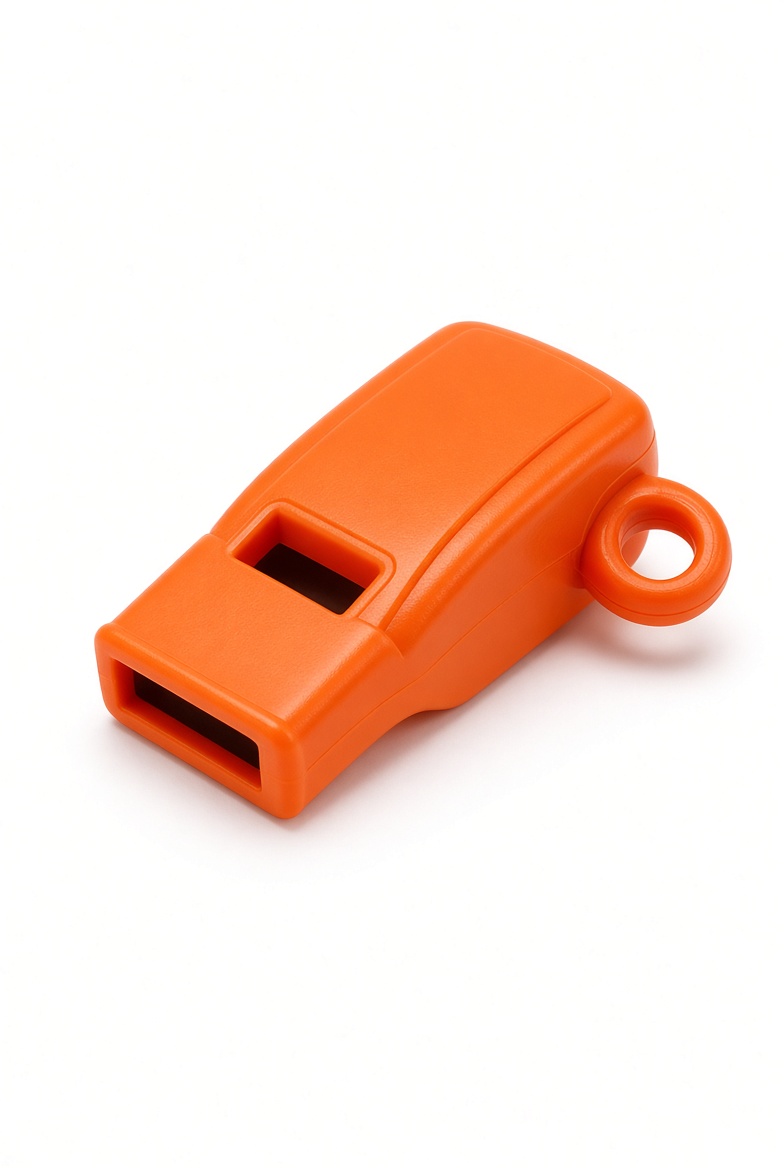
Marine safety whistle
Why choose it? Check fit, sizing and the needs of your actual activity before purchasing.
View on Amazon (paid link)
Paddle grip
Why choose it? Check fit, sizing and the needs of your actual activity before purchasing.
View on Amazon (paid link)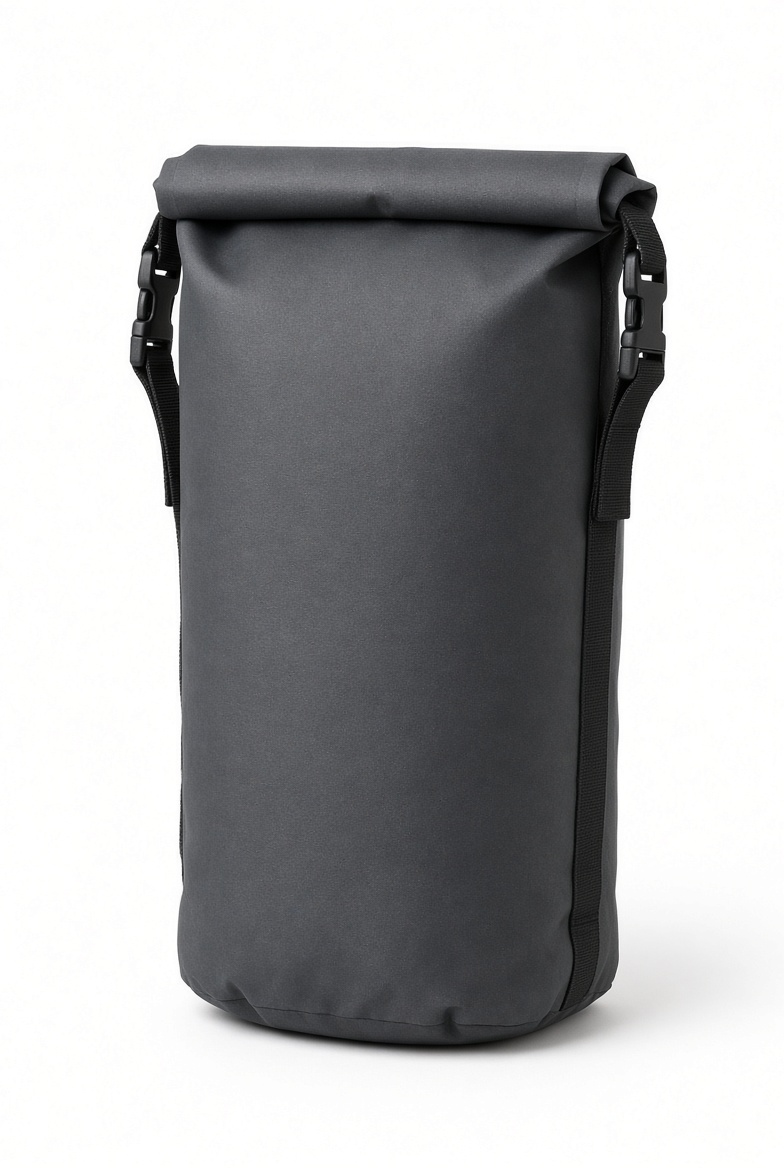
Roll-top dry bag
Why choose it? Check fit, sizing and the needs of your actual activity before purchasing.
View on Amazon (paid link)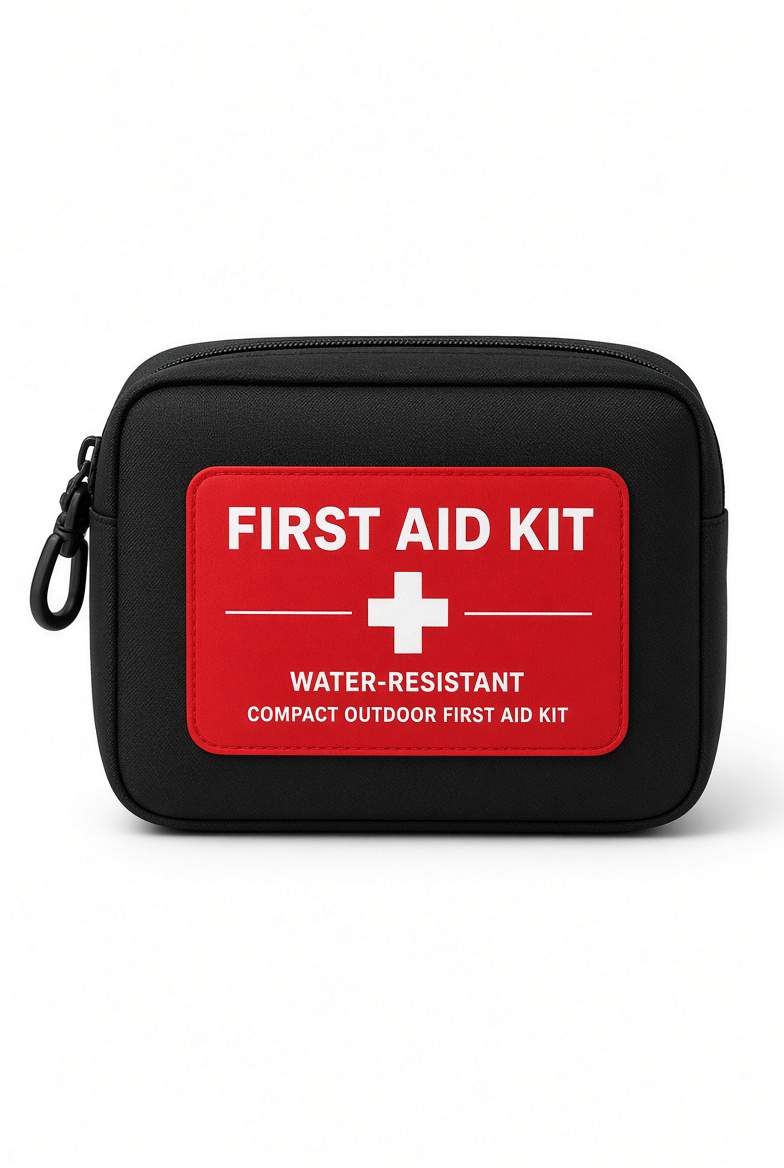
Water-resistant first-aid kit
Why choose it? Check fit, sizing and the needs of your actual activity before purchasing.
View on Amazon (paid link)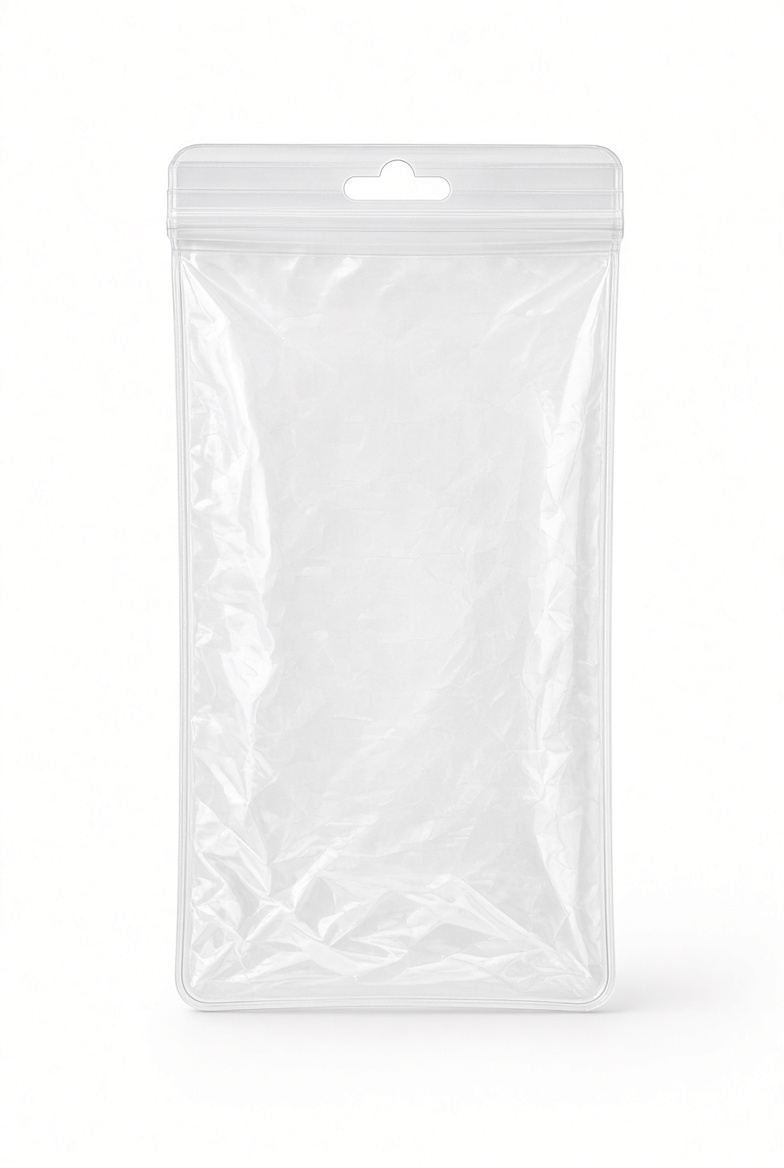
Waterproof phone pouch
Why choose it? Check fit, sizing and the needs of your actual activity before purchasing.
View on Amazon (paid link)Outdoor safety and preparedness · 10 products
Browse equipment category →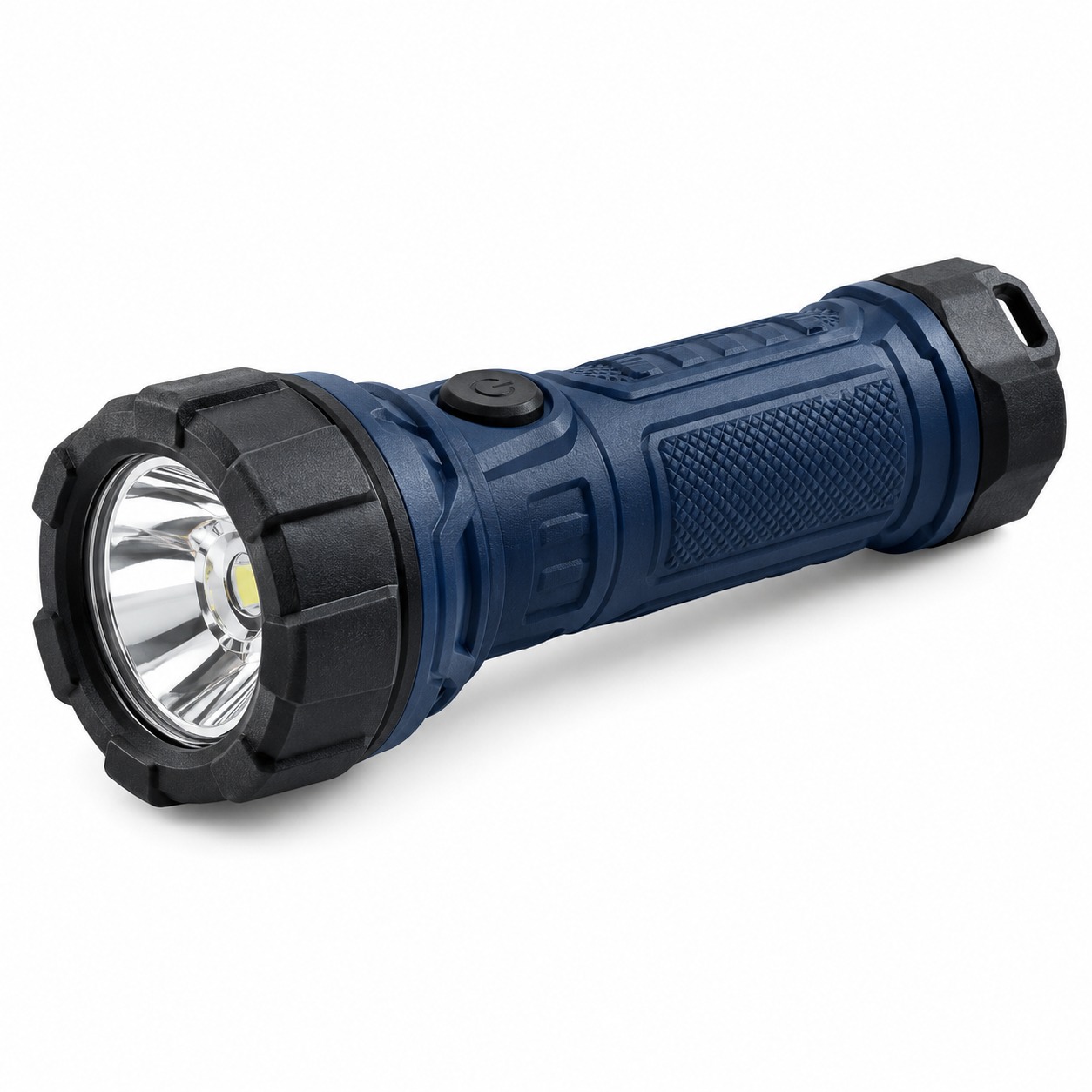
Approved activity-appropriate flotation equipment
Why choose it? Check fit, sizing and the needs of your actual activity before purchasing.
View on Amazon (paid link)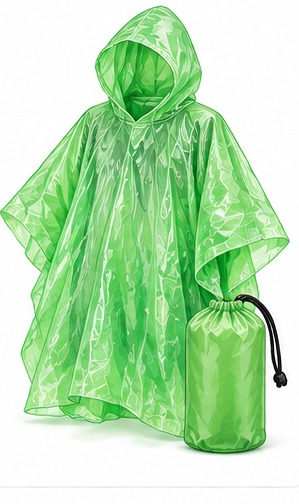
Compact emergency rain poncho
Why choose it? Check fit, sizing and the needs of your actual activity before purchasing.
View on Amazon (paid link)
Emergency reflective signal
Why choose it? Check fit, sizing and the needs of your actual activity before purchasing.
View on Amazon (paid link)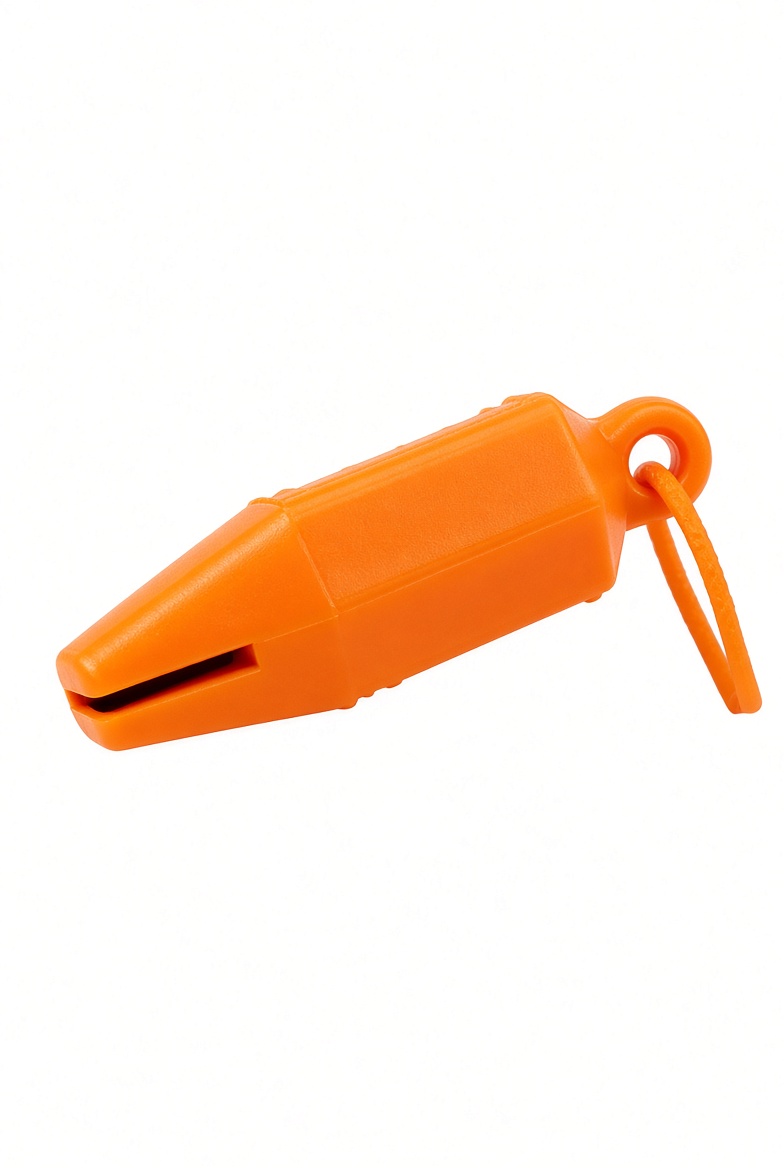
Emergency whistle
Why choose it? Check fit, sizing and the needs of your actual activity before purchasing.
View on Amazon (paid link)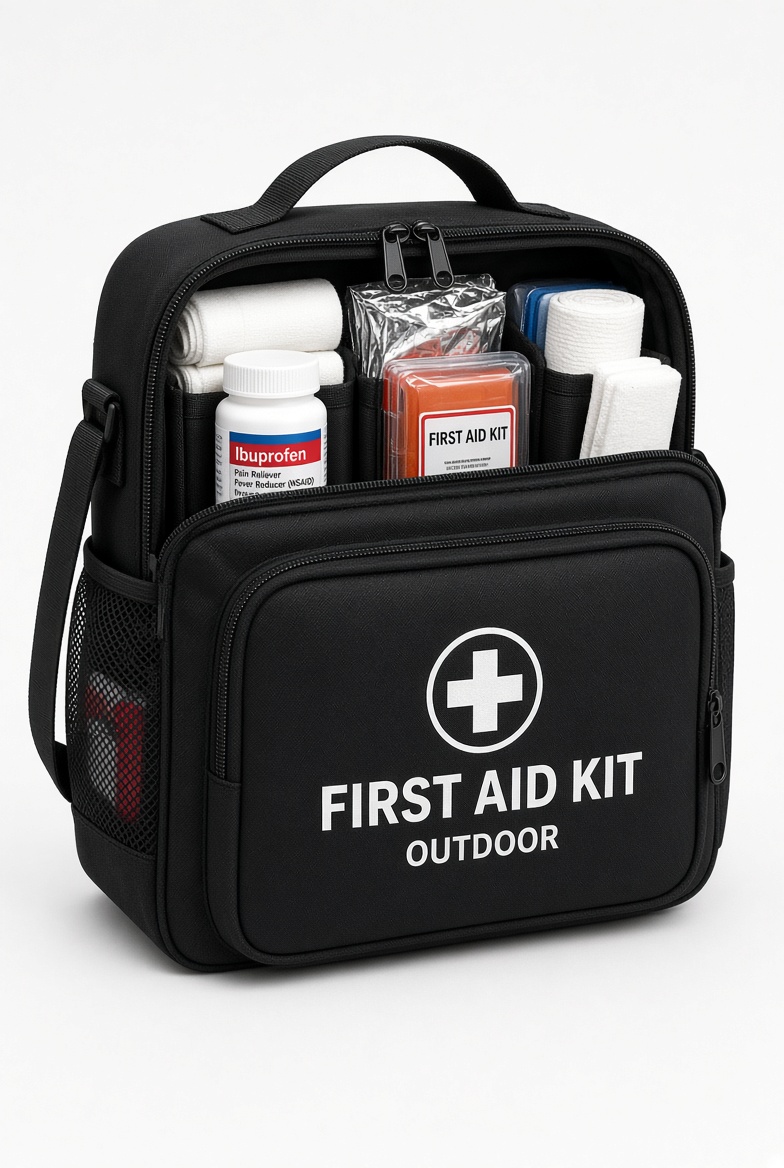
First-aid supply kit
Why choose it? Check fit, sizing and the needs of your actual activity before purchasing.
View on Amazon (paid link)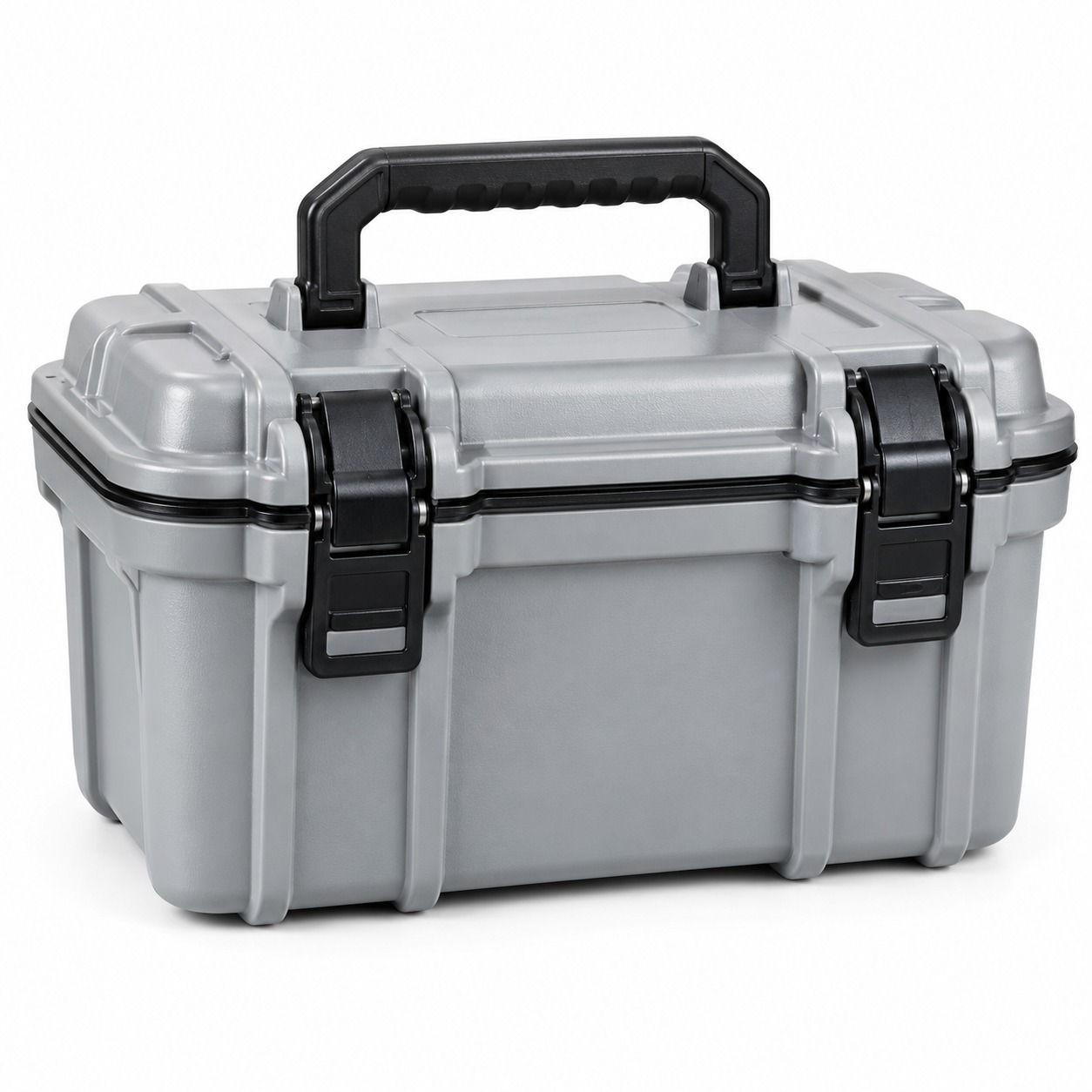
Personal hydration reserve
Why choose it? Check fit, sizing and the needs of your actual activity before purchasing.
View on Amazon (paid link)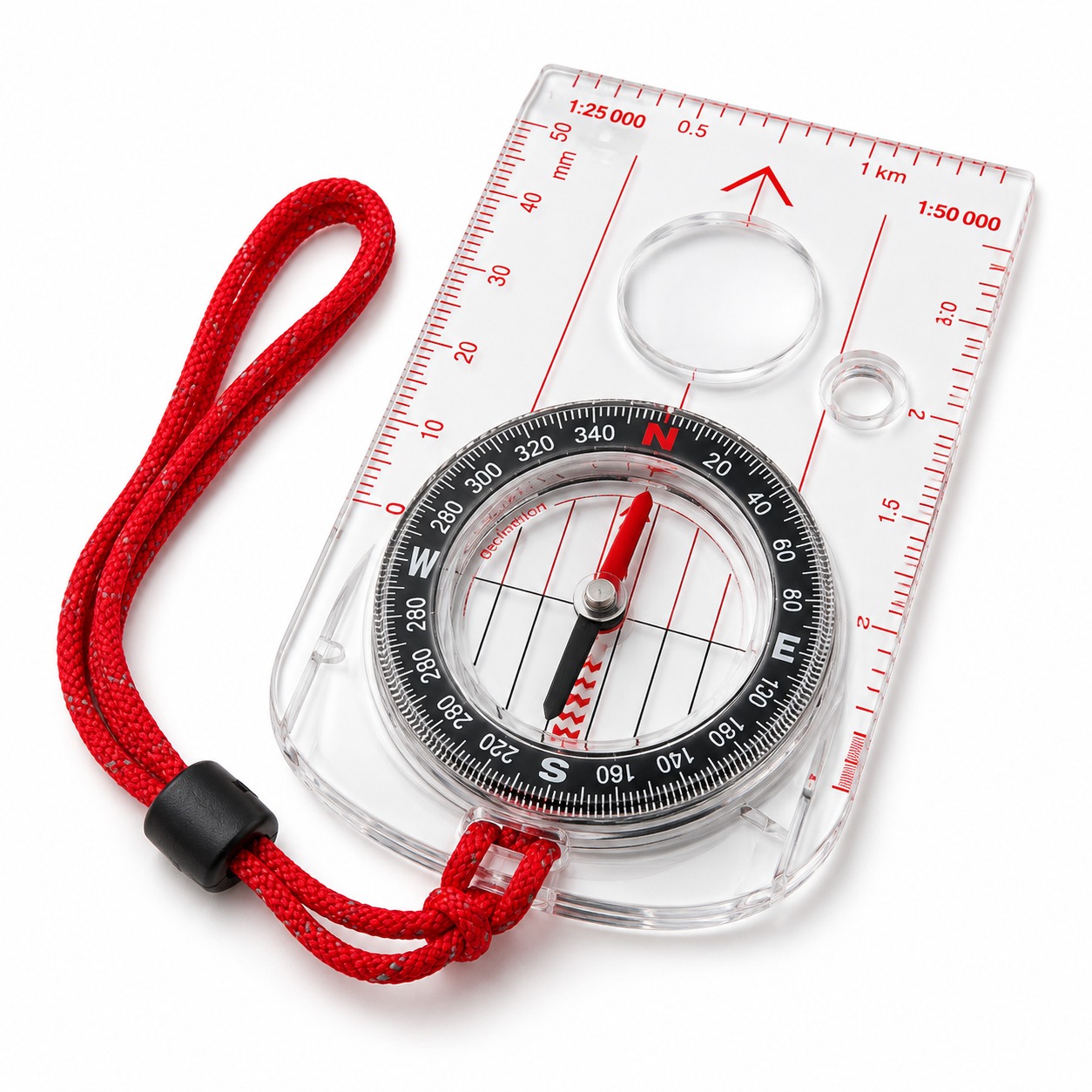
Portable compass
Why choose it? Check fit, sizing and the needs of your actual activity before purchasing.
View on Amazon (paid link)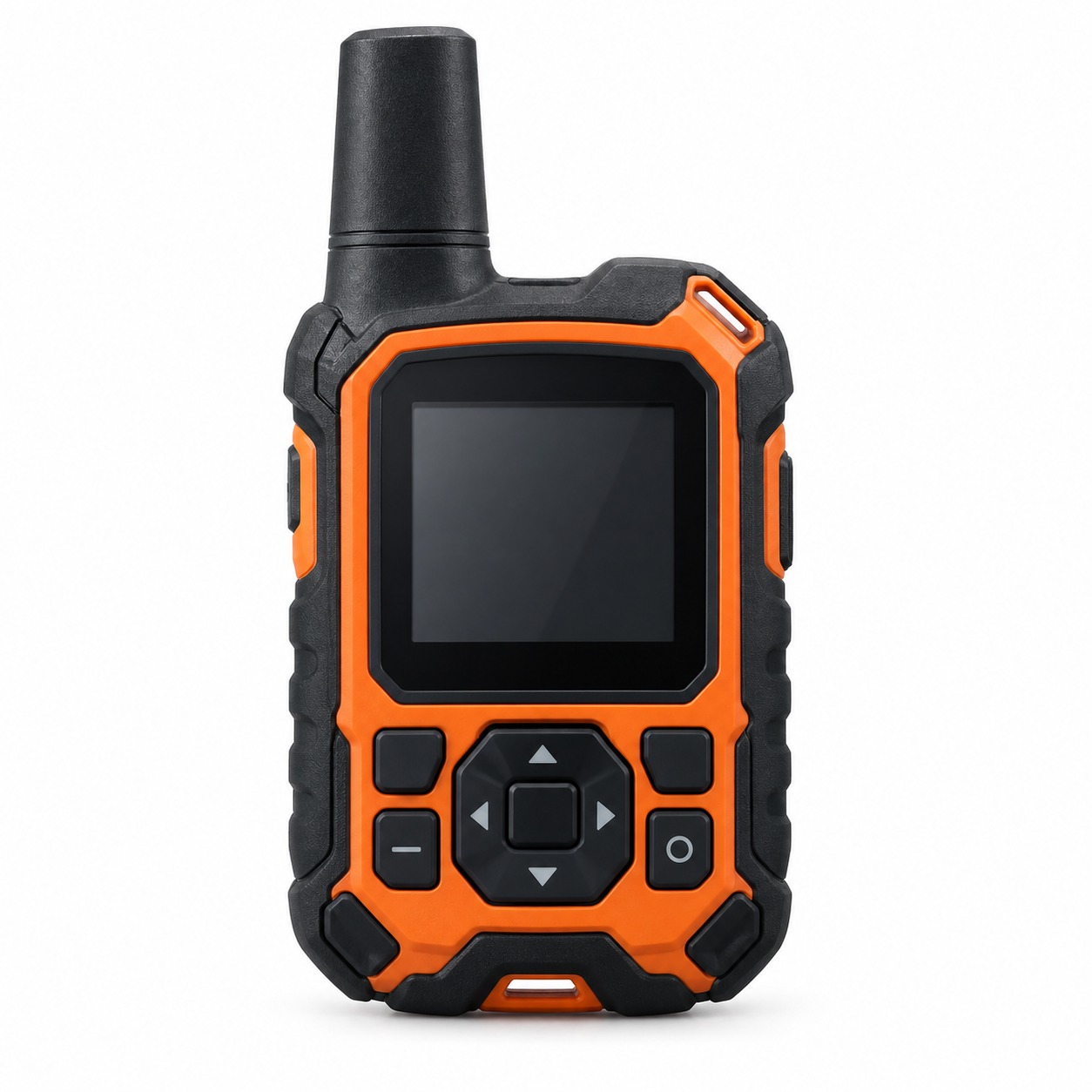
Satellite communication device for remote areas
Why choose it? Check fit, sizing and the needs of your actual activity before purchasing.
View on Amazon (paid link)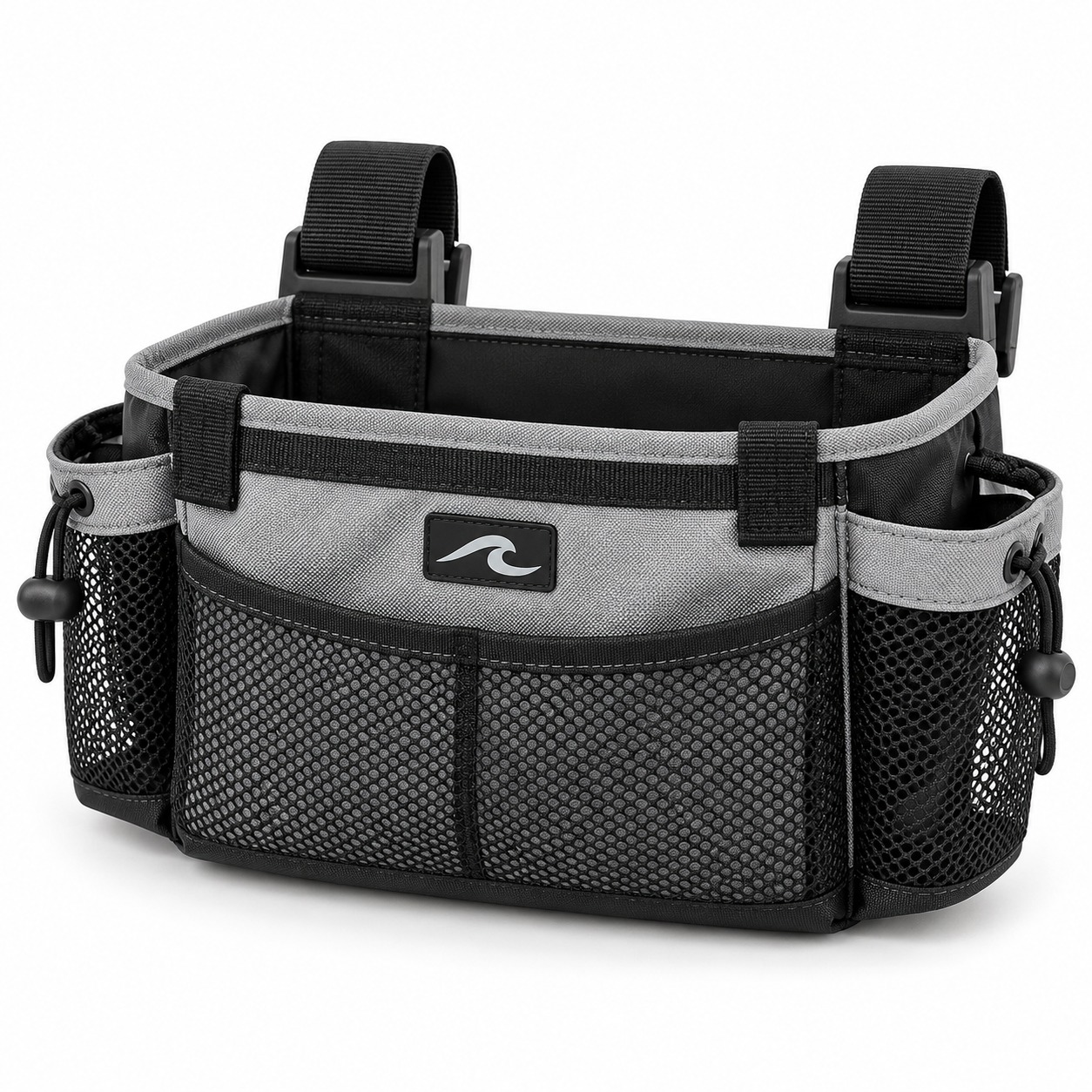
Waterproof emergency document pouch
Why choose it? Check fit, sizing and the needs of your actual activity before purchasing.
View on Amazon (paid link)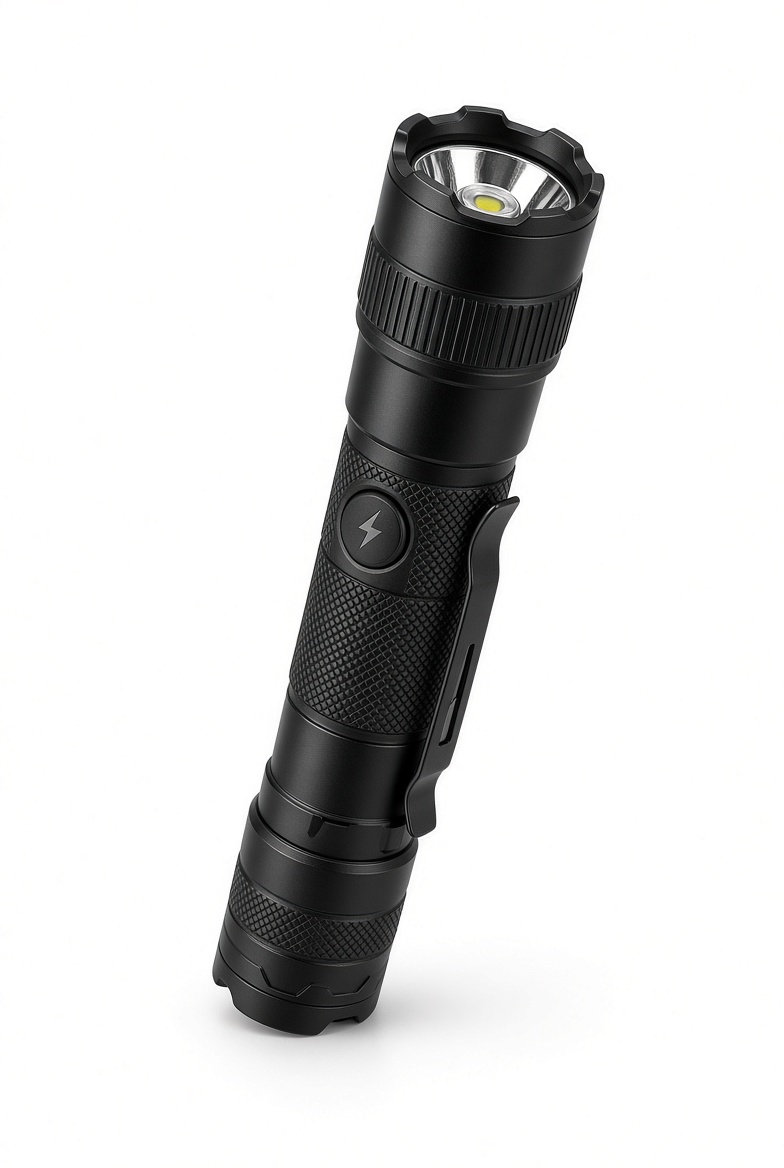
Rechargeable flashlight
Why choose it? Check fit, sizing and the needs of your actual activity before purchasing.
View on Amazon (paid link)Sun protection · 8 products
Browse equipment category →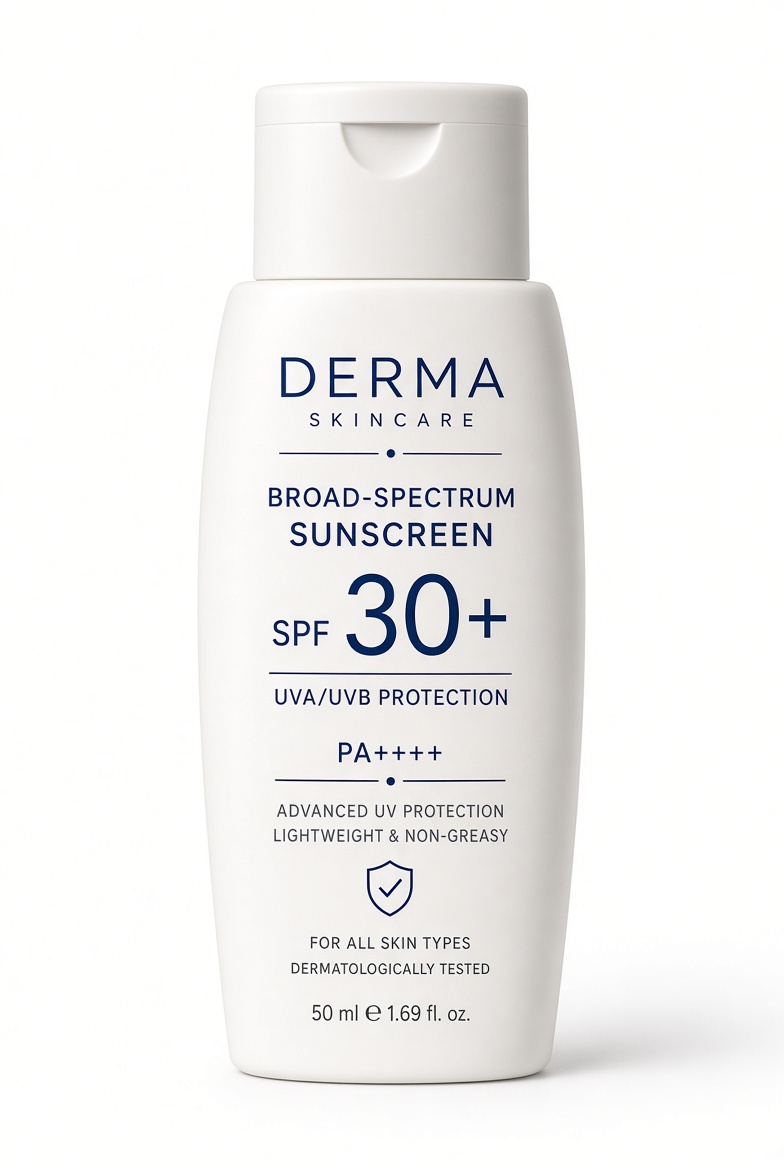
Broad-spectrum SPF 30+ sunscreen
Why choose it? Check fit, sizing and the needs of your actual activity before purchasing.
View on Amazon (paid link)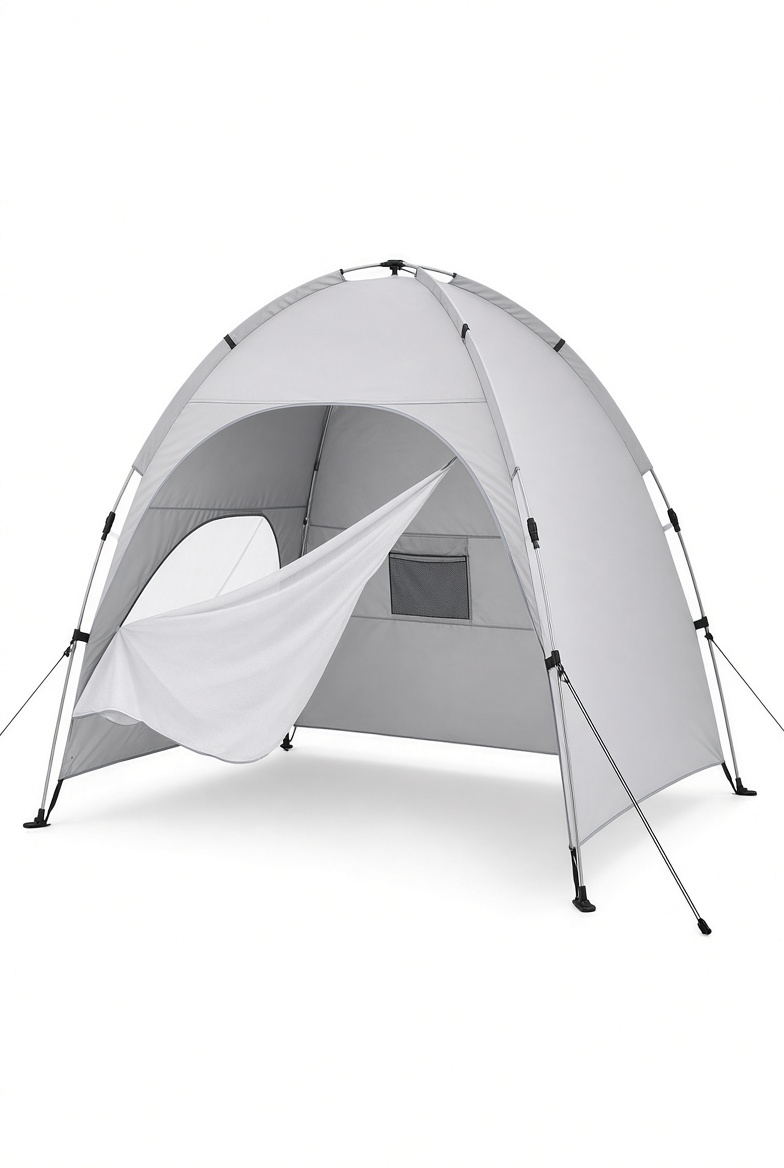
Portable shade canopy
Why choose it? Check fit, sizing and the needs of your actual activity before purchasing.
View on Amazon (paid link)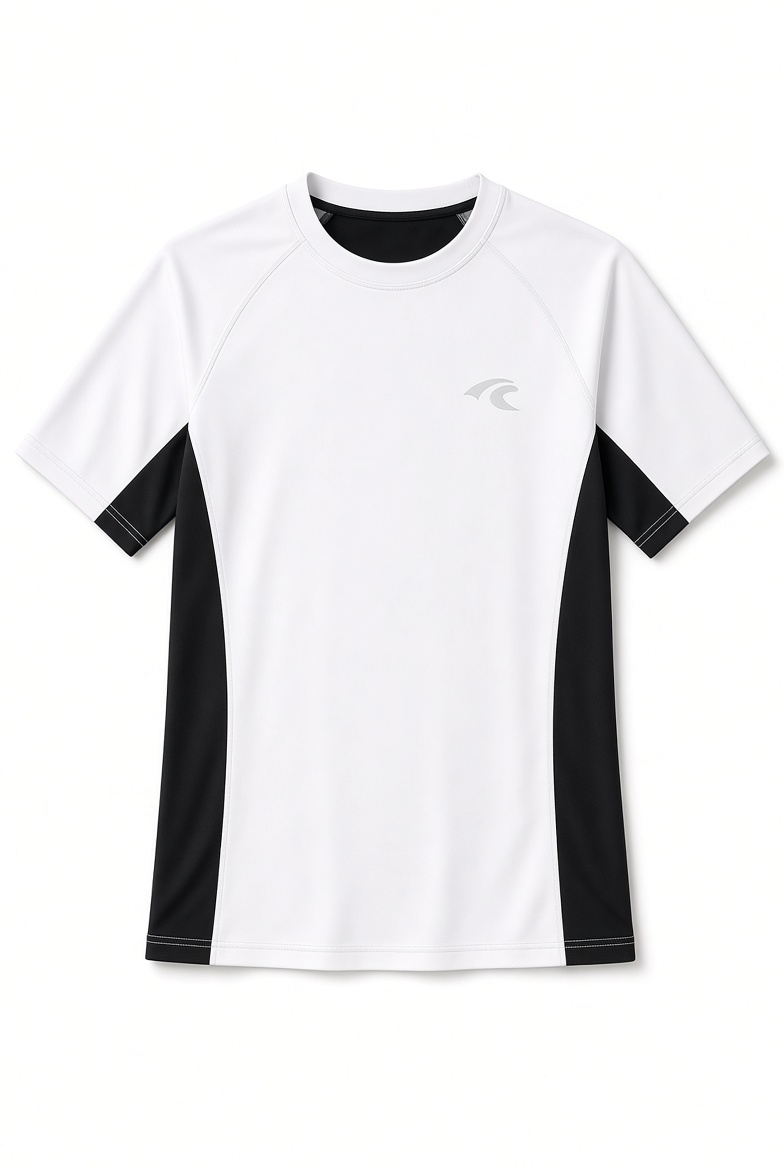
Rash guard
Why choose it? Check fit, sizing and the needs of your actual activity before purchasing.
View on Amazon (paid link)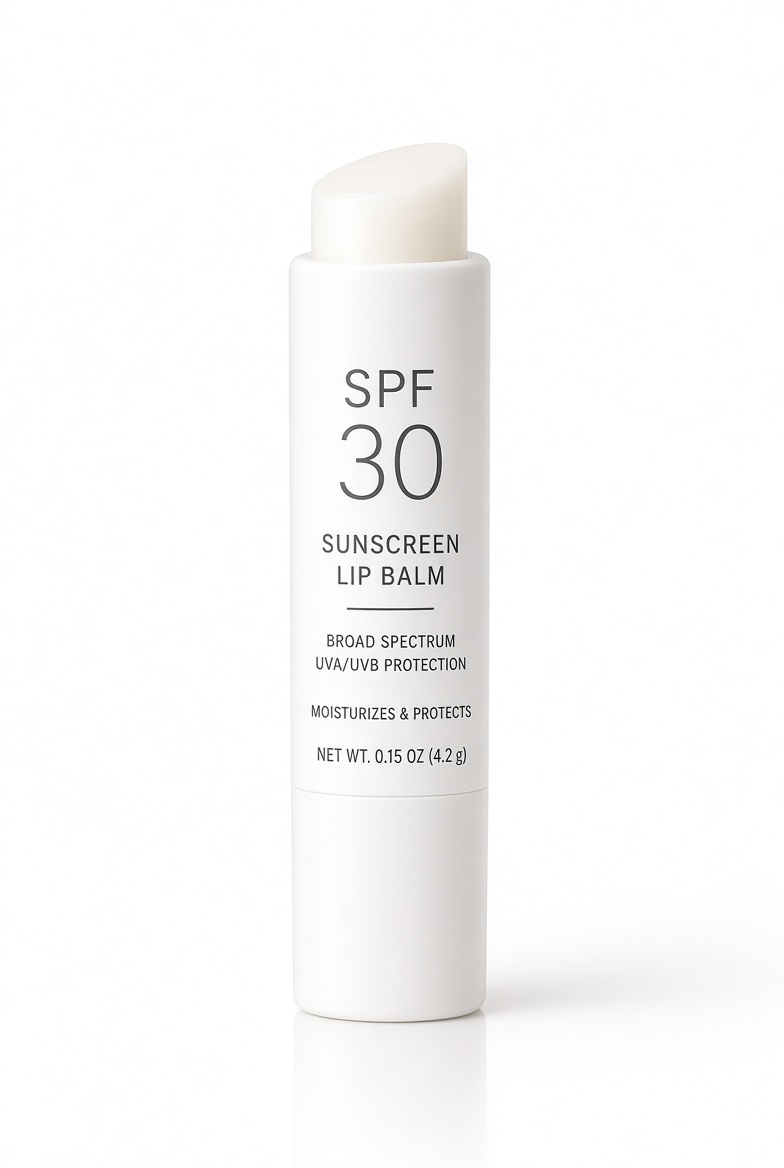
SPF lip balm
Why choose it? Check fit, sizing and the needs of your actual activity before purchasing.
View on Amazon (paid link)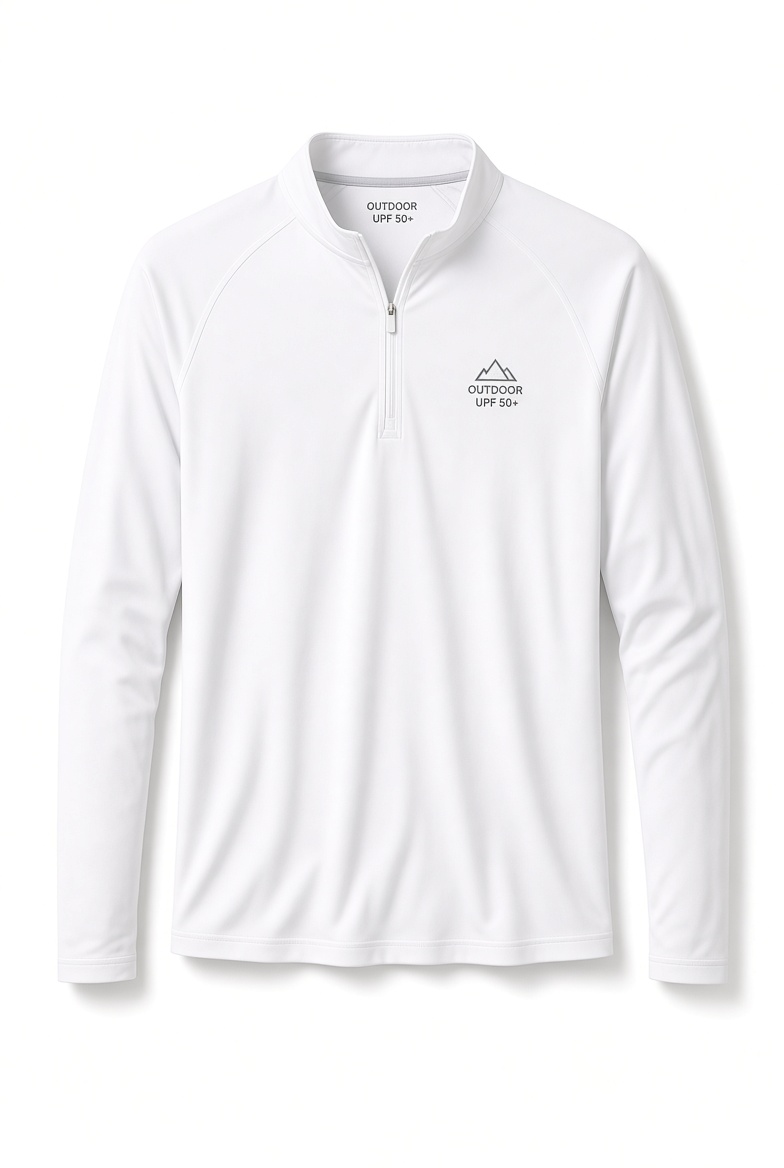
UPF 50 sun shirt
Why choose it? Check fit, sizing and the needs of your actual activity before purchasing.
View on Amazon (paid link)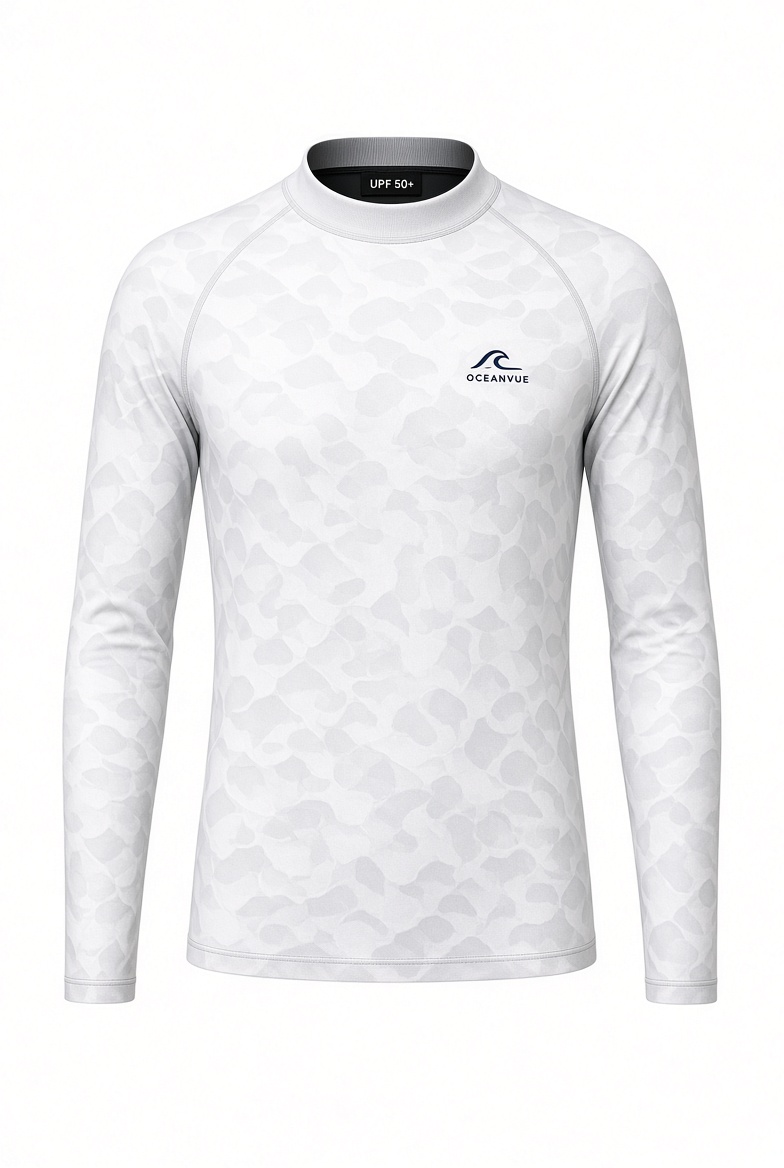
UPF swim shirt
Why choose it? Check fit, sizing and the needs of your actual activity before purchasing.
View on Amazon (paid link)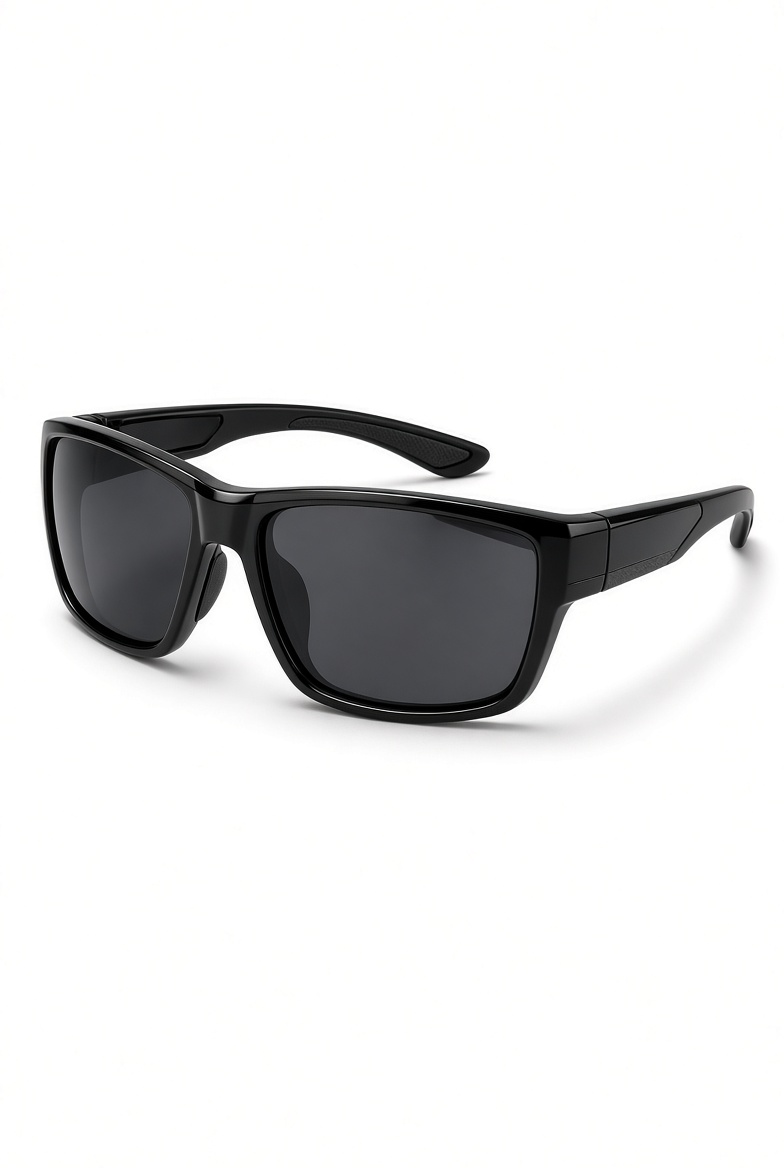
UV-rated sunglasses
Why choose it? Check fit, sizing and the needs of your actual activity before purchasing.
View on Amazon (paid link)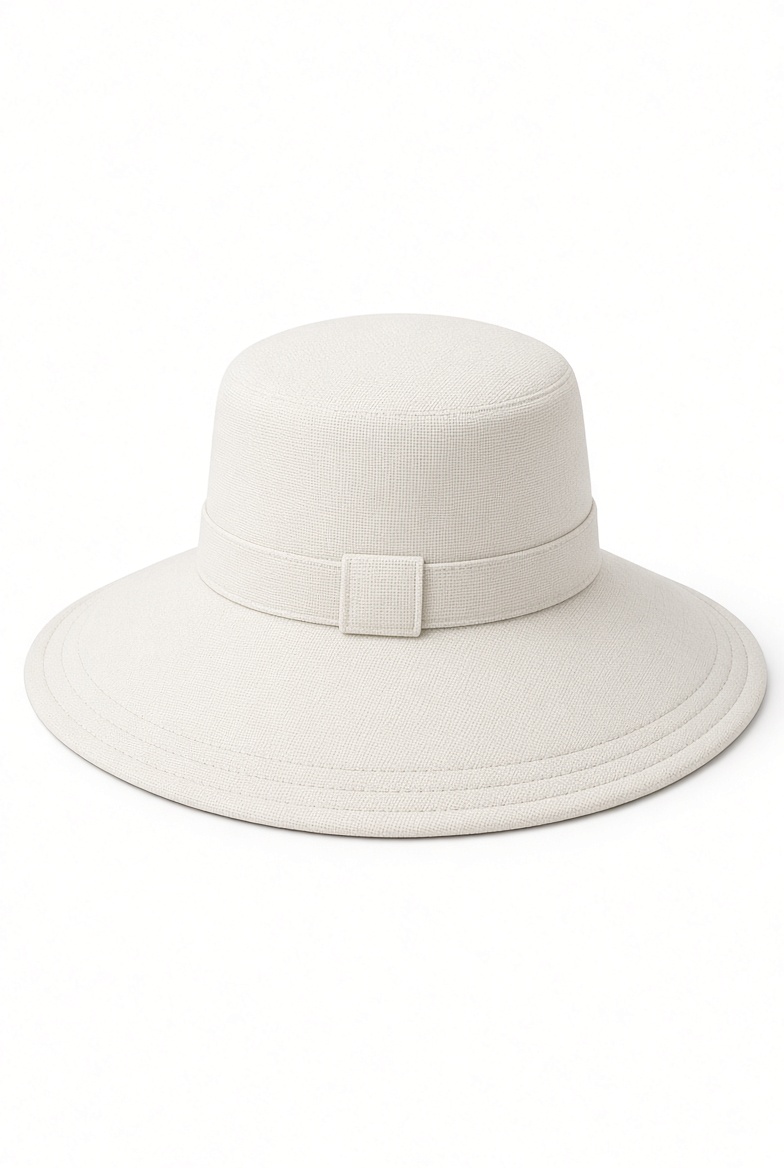
Wide-brim sun hat
Why choose it? Check fit, sizing and the needs of your actual activity before purchasing.
View on Amazon (paid link)Make your own list
Pick an activity and choose what you already own. No purchase required.
Build an interactive packing list