Start with an actual campground booking
Camping requires choosing an actual campsite, not merely a park. National park campgrounds, designated group sites, RV sites and scheduled family camping programs can have different seasons, access roads, reservations and facilities. Long Pine Key is a national-park campground, and operates seasonally, so arrange camping according to National Park Service booking dates. Greynolds County Park describes its Camp Greynolds cabins and group camping as reserved spaces for organized groups - not a general free public tent pitch.
The minimum overnight system
For a tent campsite, start with a weather-suitable tent in good condition, full rainfly and stakes, sleeping mat or pad, suitable bedding for the expected overnight temperature, light source with backup power and dry storage. Add fresh water or a verified potable-water plan, appropriate food storage, basic hygiene supplies, headlamp, insect protection and personal medication. A screened shelter may be useful in some locations but is not automatically necessary if you have cabin accommodation or a short structured group program.
Florida weather demands redundancy
Warm afternoons can become stormy; rain can soak a tent through poor pitching even without a major weather event. Before departure inspect seams and rainfly, practice setup, and identify the campground’s designated storm shelter/evacuation policy. Do not camp near unsafe branches or in low spots that fill with water. NWS says an ordinary open-sided shelter or tent is not adequate lightning protection: move to a substantial building or enclosed metal-topped vehicle when thunder is heard.
Water, insects and food management
Plan drinking water based on group size, conditions and confirmed taps. Insect exposure may be significant near mangroves and wetlands, especially around dusk; pack repellent, long sleeves and netting appropriate to your actual shelter. Keep food contained and dispose of waste according to campground rules; do not feed wildlife or leave unattended food out. Restrooms, showers and charging facilities depend on the exact campsite area and season.
Tent, RV and cabin variants
Tent: needs ground-cover/sleep pad, rain management, lighting, pegs and an organized dry bag. RV: prioritize reservation/vehicle-size compatibility, power/water hookup confirmation, electrical connections approved for the site and waste handling. Cabin or group facility: check what linens, cookware, toilets and climate-control amenities are actually provided. In Greynolds, county documentation describes cabins, a bathhouse and group facilities, but availability is limited to reservation-based groups. Do not market those cabins as first-come hotel lodging.
Match the outing’s difficulty
A first family camping trip can work well when arrivals happen in daylight and there is time to check equipment. A remote Everglades overnight trip requires its own wilderness permits, route planning and weather margin; it requires more preparation than a developed campground. Choose an actual tent, RV, group cabin or backcountry campsite that is designated for that type of camping.
Checklist
[ ] Confirm exact campsite and reservation · [ ] Check operating season · [ ] Tent/RV/cabin suitability · [ ] Weatherproof shelter & sleep kit · [ ] Water and food plan · [ ] Bug protection · [ ] Flashlight/headlamp · [ ] Restrooms and shower verified · [ ] Storm shelter and exit · [ ] Leave-no-trace waste plan. Related pages: Long Pine Key Campground; Larry and Penny Thompson Memorial Park; Greynolds reserved group camp. Agency sources .
Test the overnight plan before buying specialty equipment
Consider two visitors: one has a booked developed campground pitch with a vehicle nearby; the other wants a remote Everglades overnight route. The first can confirm a toilet, drinking-water access, permitted cooking equipment and a weather-safe exit. The second may require location-specific permits and more demanding navigation, communications and leave-no-trace practices. The two outings call for very different equipment. Start with the campground reservation and permit information before deciding what equipment to pack.
A one-evening packing workflow
Start with the site type (tent, RV, group cabin, backcountry) and whether it is legally reservable. Add participants and expected overnight temperatures, then select a shelter-and-sleep kit that fits both the site and party. Next ask whether drinking water, restrooms and food storage are verified. Finish with weather alerts, storm shelter, daylight arrival time and an emergency departure option. Existing gear should be checked off first: a person with a sound tent and sleeping pads may need no new purchase at all. Only after gaps are clear should products appear, with each item describing the specific problem it solves and whether it is a genuine necessity or optional comfort. When a user’s requirements cannot be safely met, recommend choosing a different campsite.
Related places in the directory
Pack for your activity
Recommended Equipment
Browse the complete related equipment collections below. Choose only what fits your outing, check rentals where available, and skip anything you already own.
Some equipment links are paid affiliate links. As an Amazon Associate I earn from qualifying purchases. Product images are examples; check the Amazon listing for the exact item.
Camping equipment · 15 products
Browse equipment category →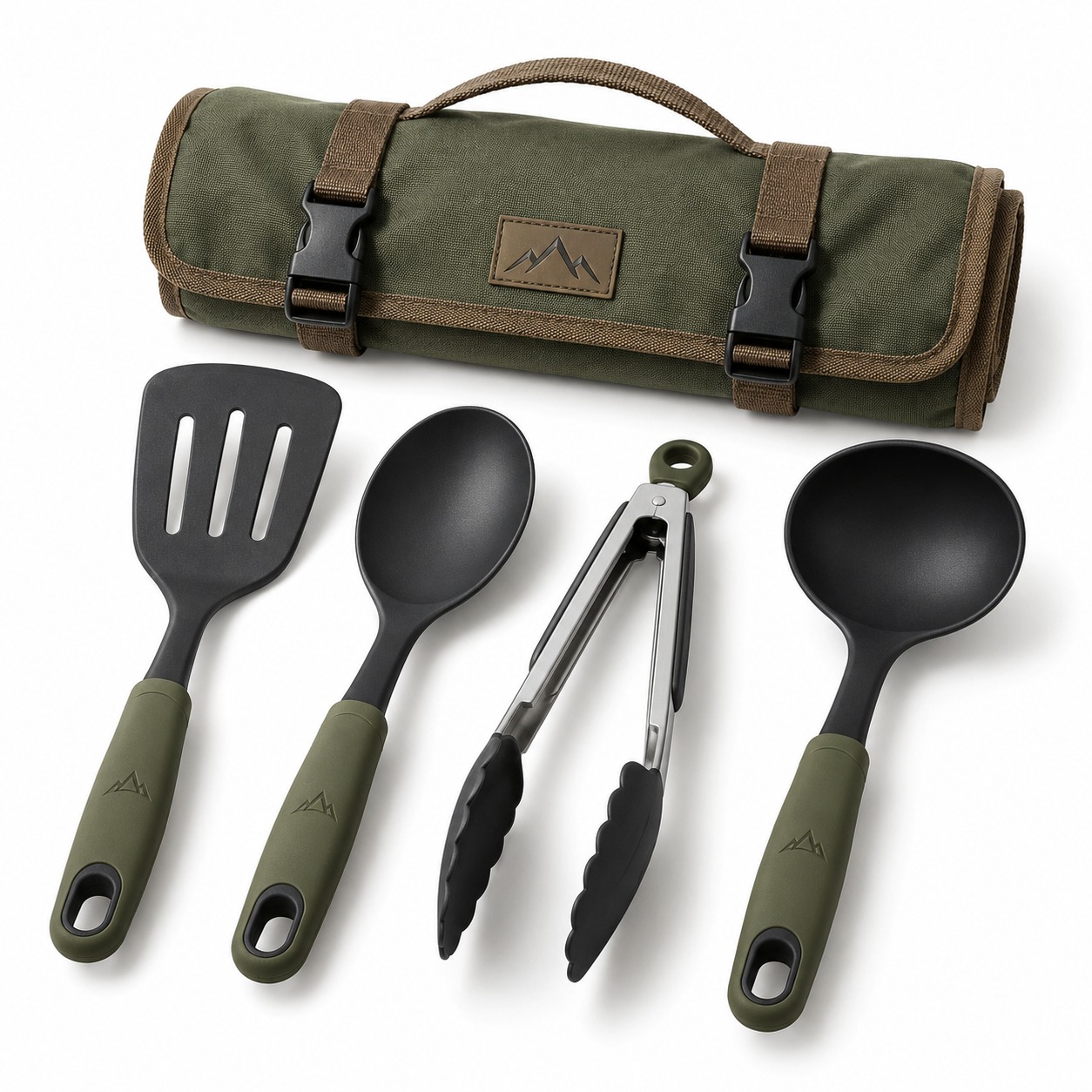
Camp cooking utensil set
Why choose it? Check fit, sizing and the needs of your actual activity before purchasing.
View on Amazon (paid link)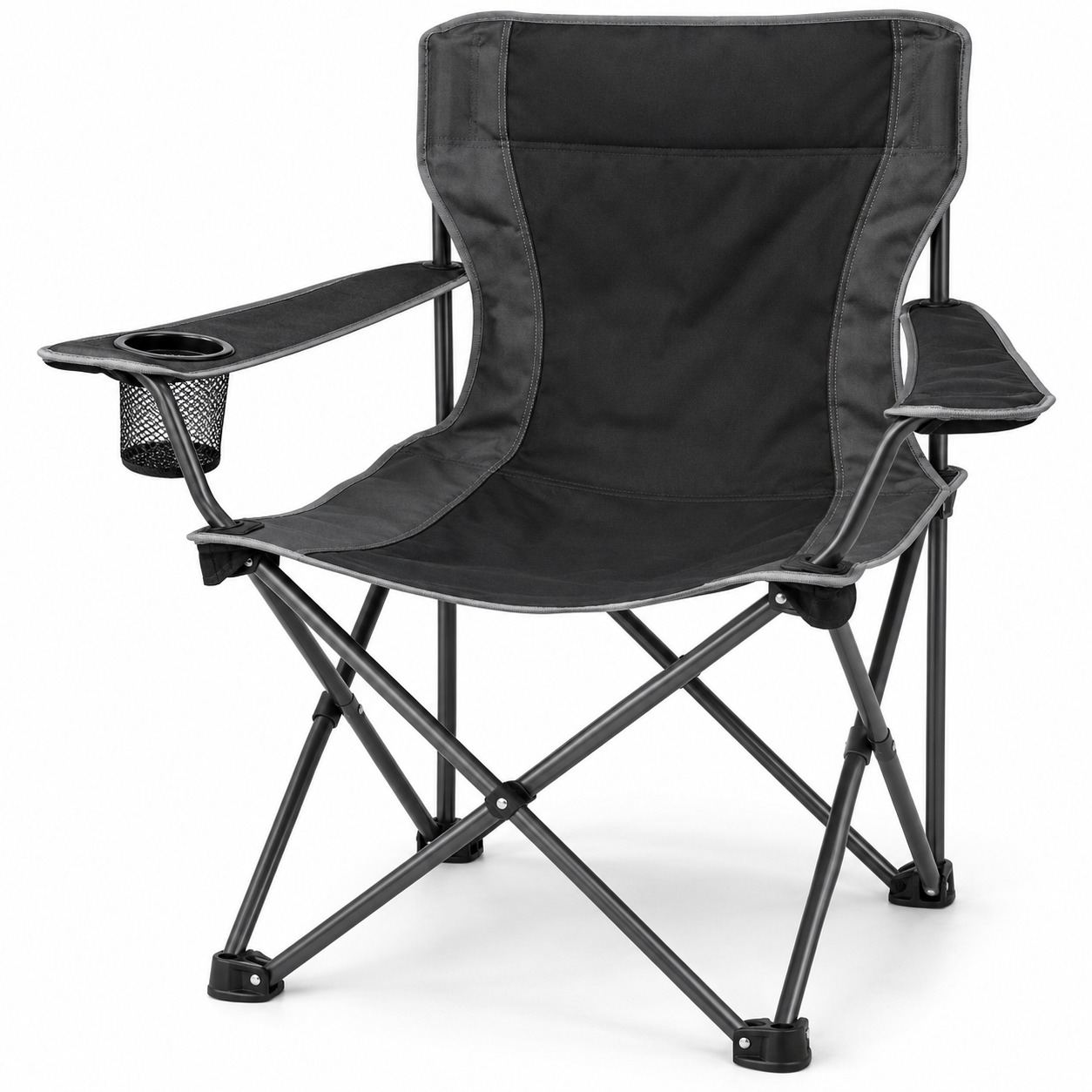
Camping chair
Why choose it? Check fit, sizing and the needs of your actual activity before purchasing.
View on Amazon (paid link)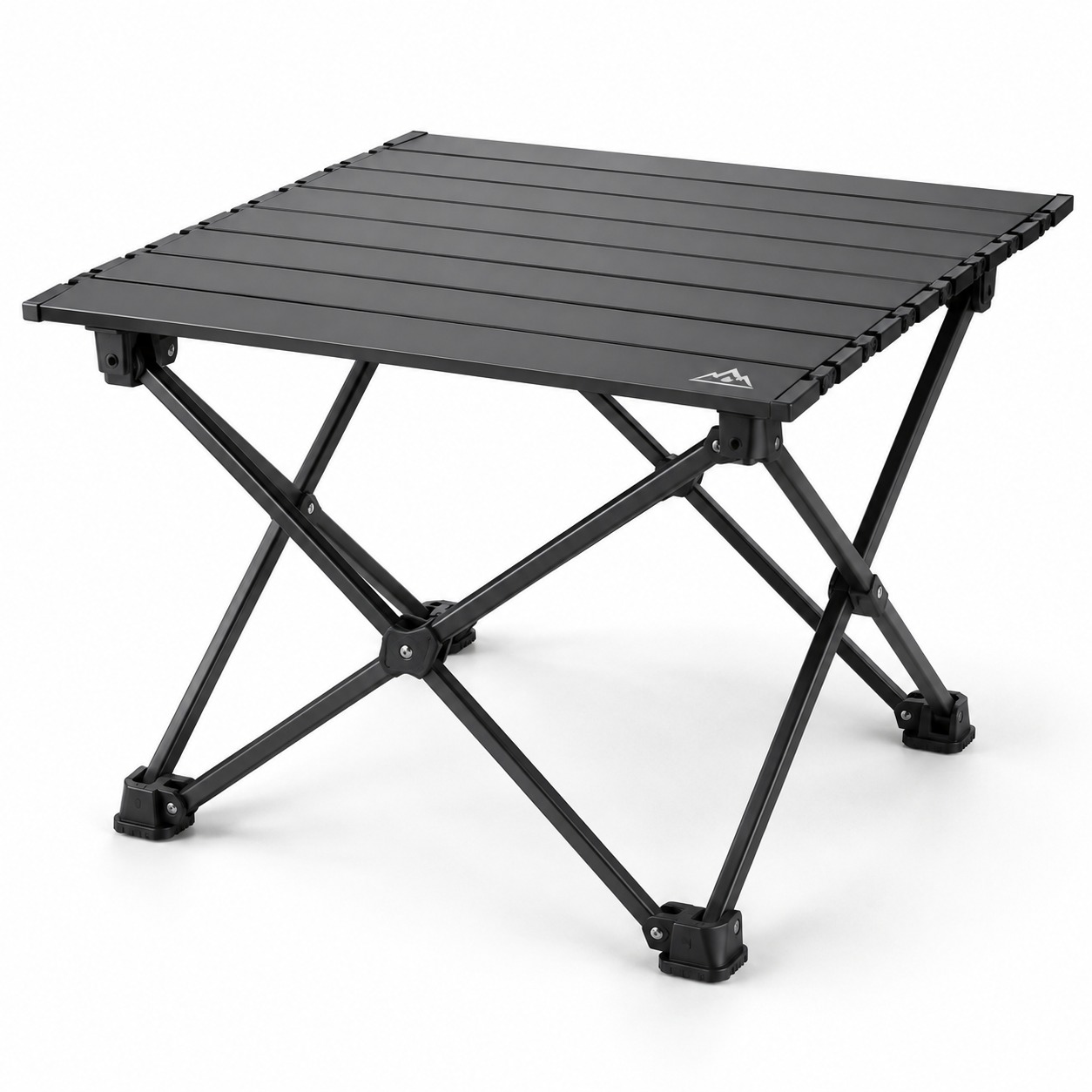
Compact camp table
Why choose it? Check fit, sizing and the needs of your actual activity before purchasing.
View on Amazon (paid link)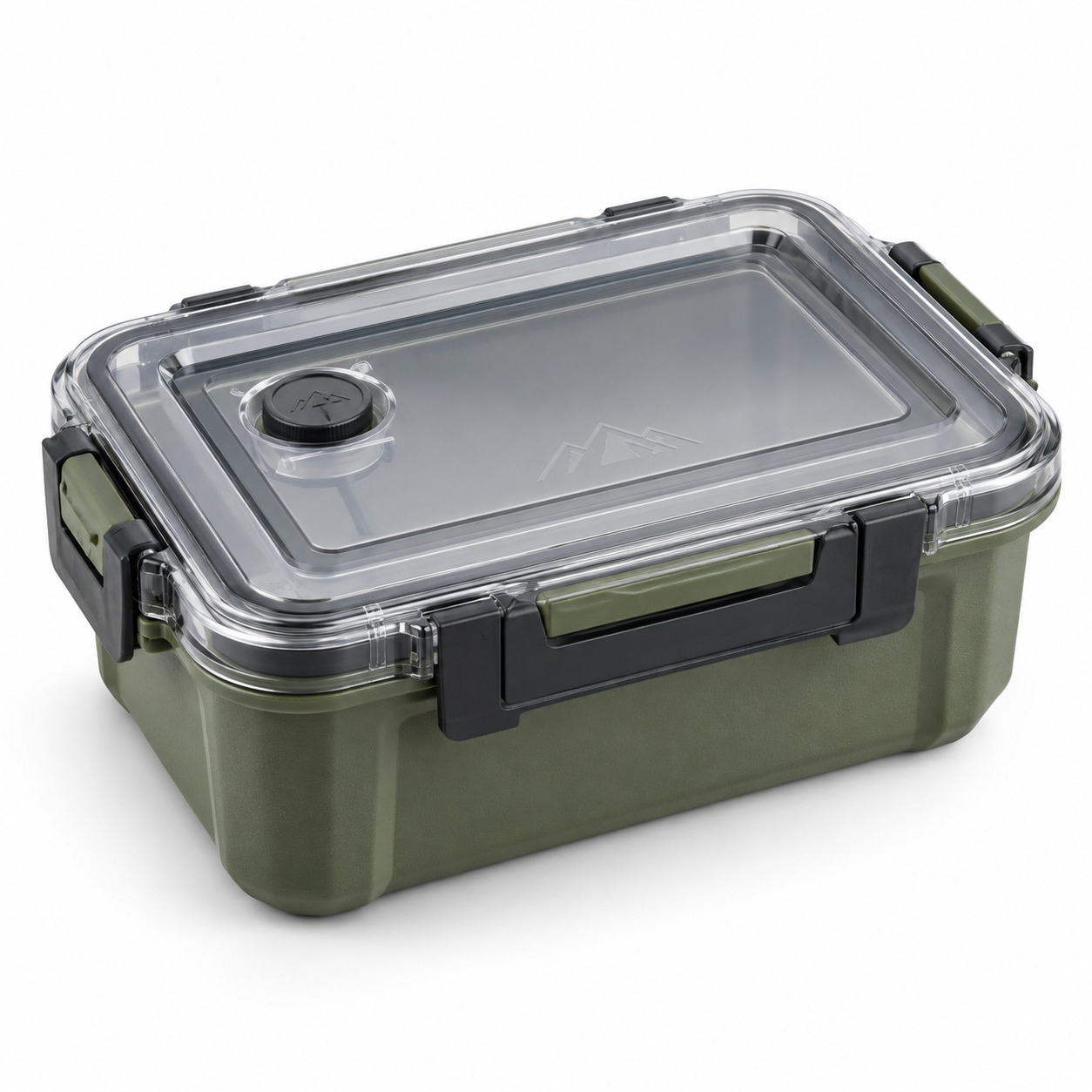
Food storage container
Why choose it? Check fit, sizing and the needs of your actual activity before purchasing.
View on Amazon (paid link)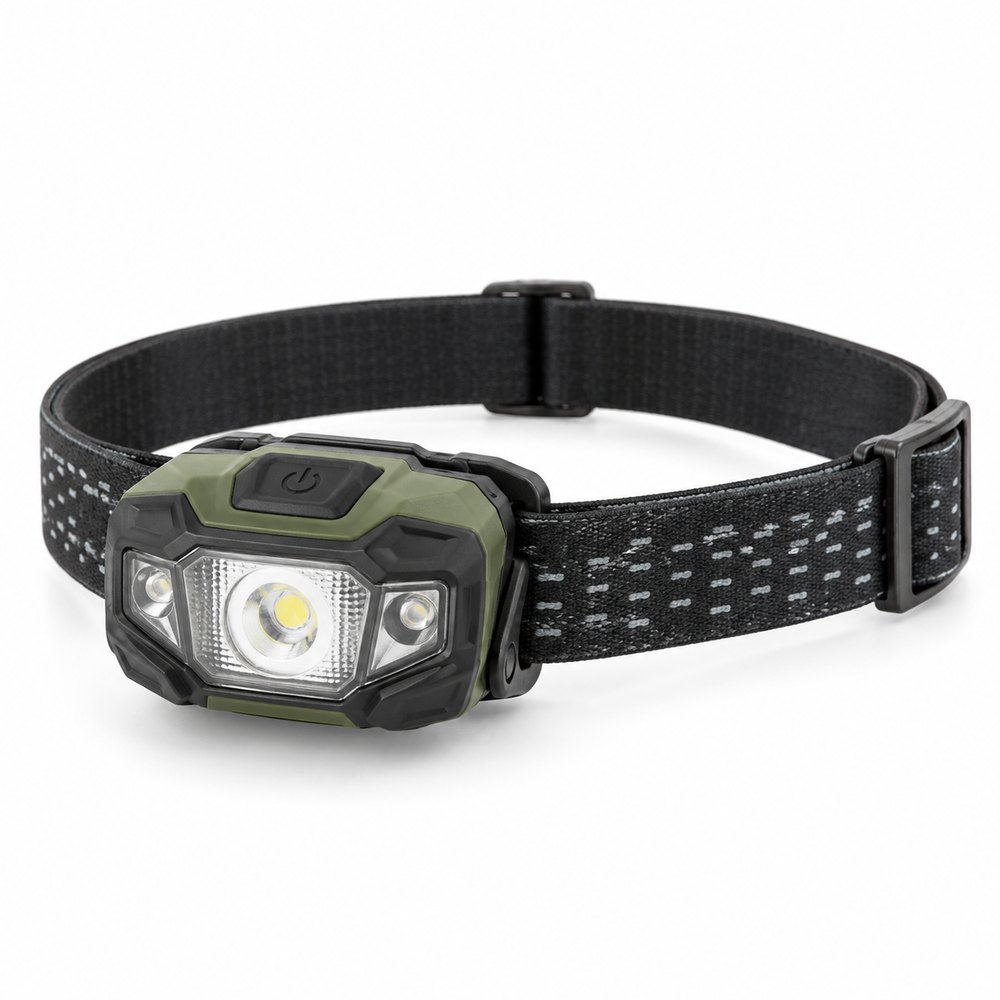
Headlamp
Why choose it? Check fit, sizing and the needs of your actual activity before purchasing.
View on Amazon (paid link)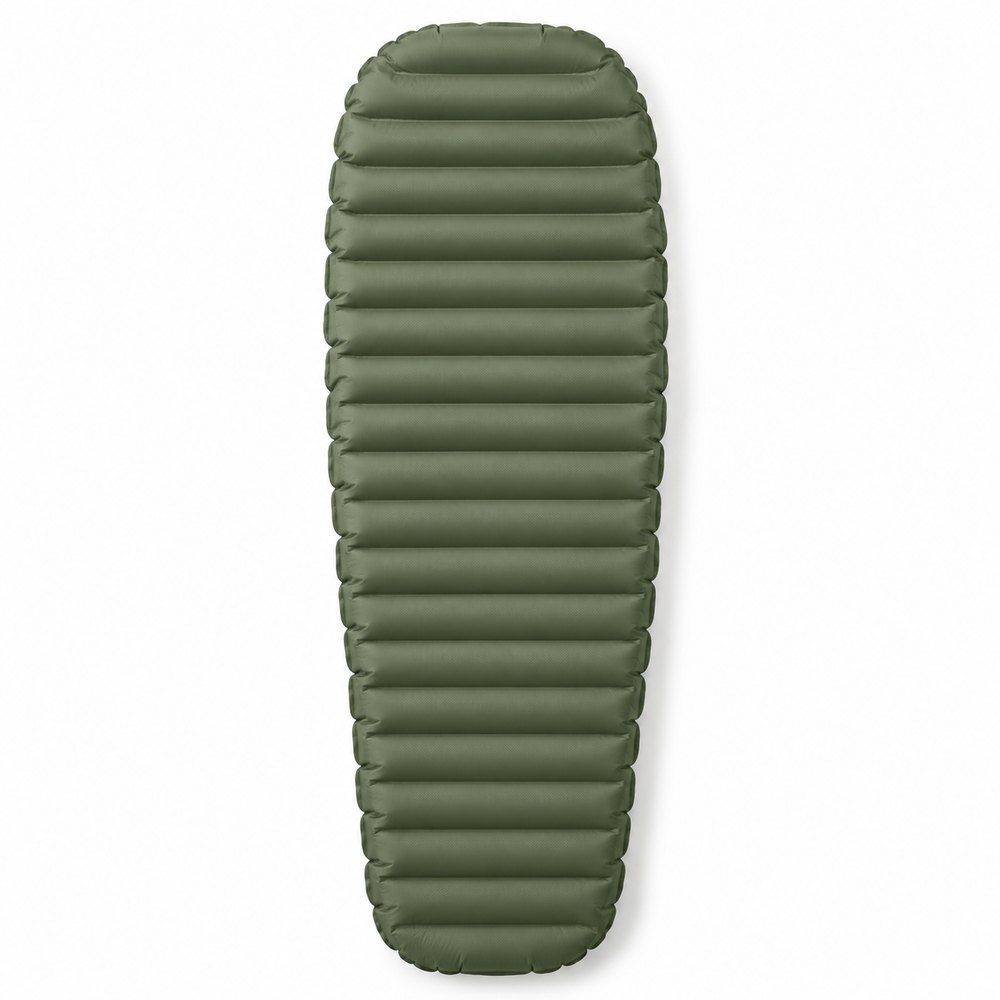
Insulated sleeping pad
Why choose it? Check fit, sizing and the needs of your actual activity before purchasing.
View on Amazon (paid link)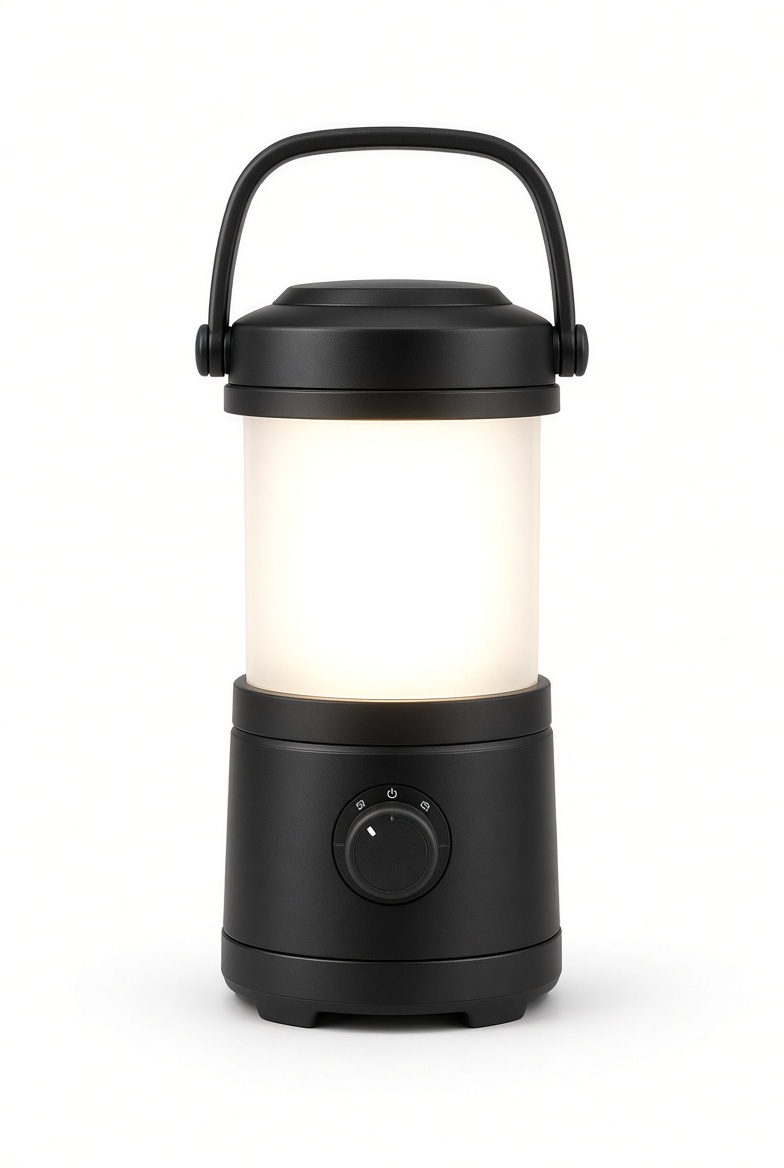
LED camping lantern
Why choose it? Check fit, sizing and the needs of your actual activity before purchasing.
View on Amazon (paid link)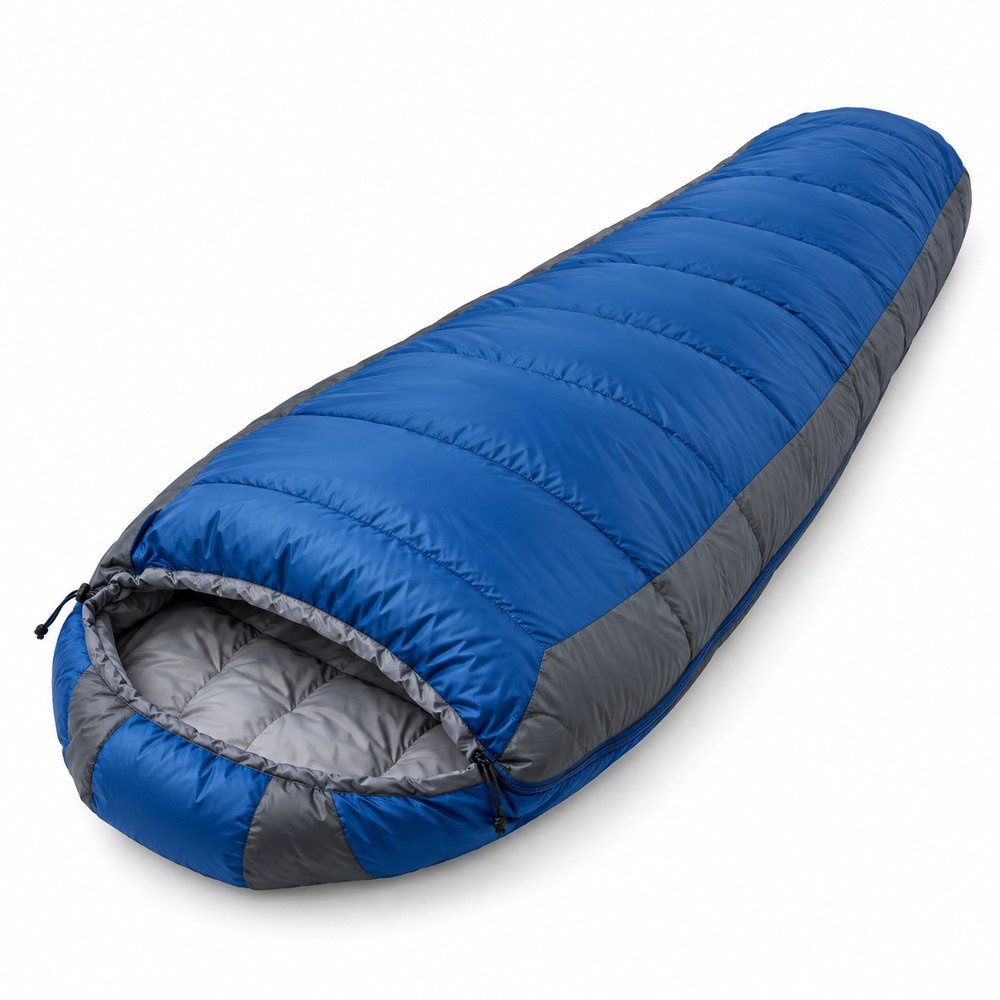
Lightweight sleeping bag
Why choose it? Check fit, sizing and the needs of your actual activity before purchasing.
View on Amazon (paid link)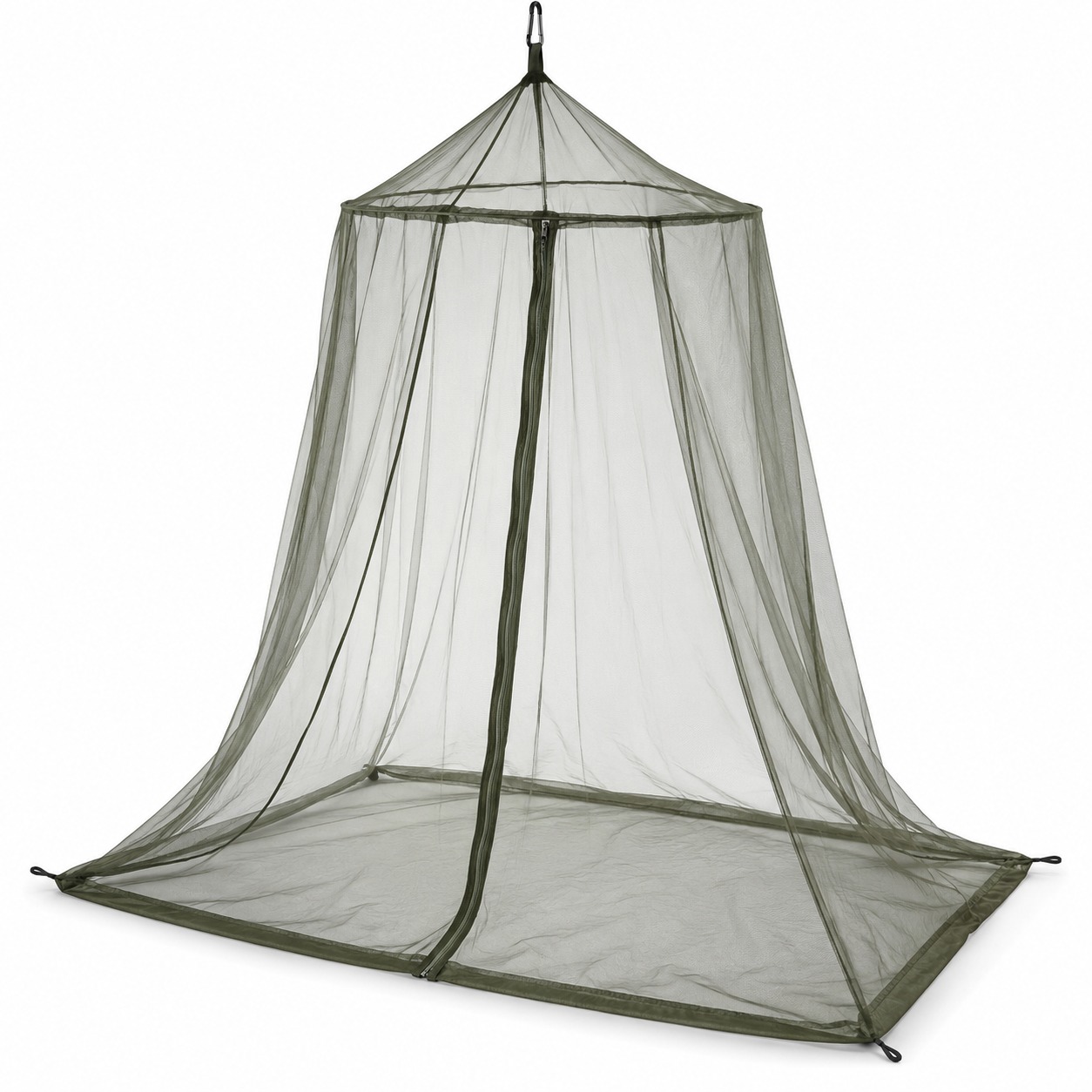
Mosquito net
Why choose it? Check fit, sizing and the needs of your actual activity before purchasing.
View on Amazon (paid link)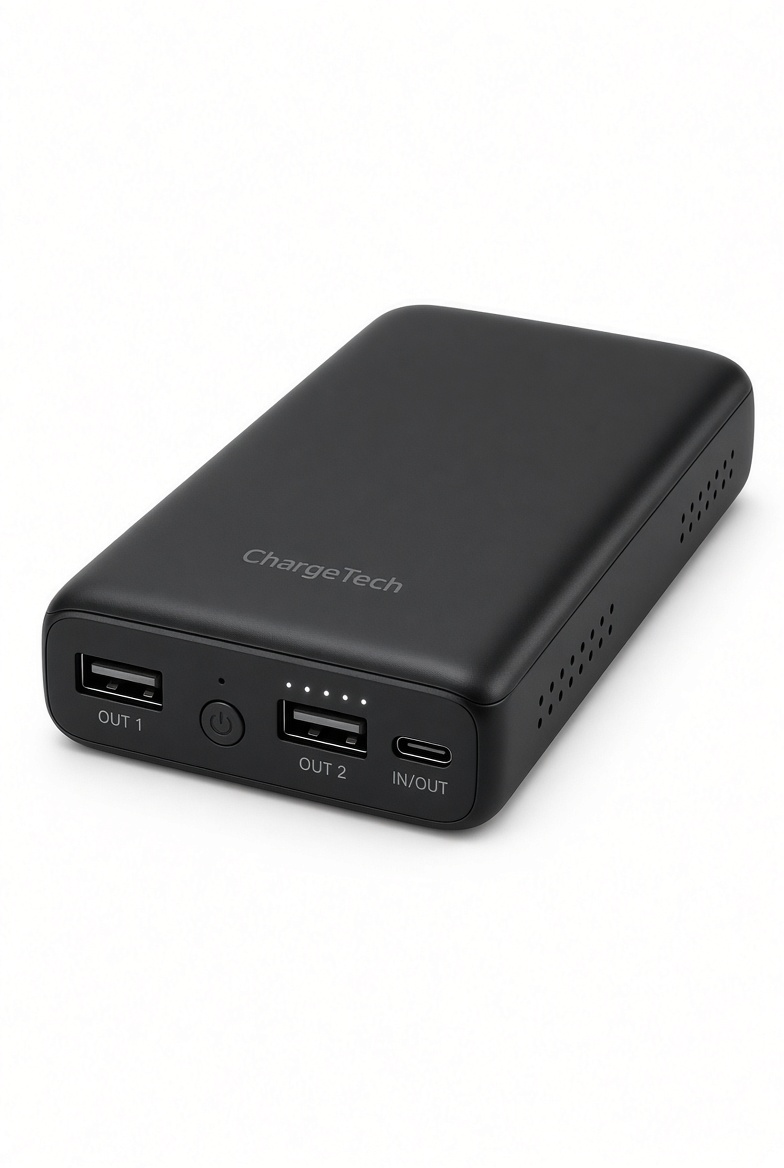
Portable power bank
Why choose it? Check fit, sizing and the needs of your actual activity before purchasing.
View on Amazon (paid link)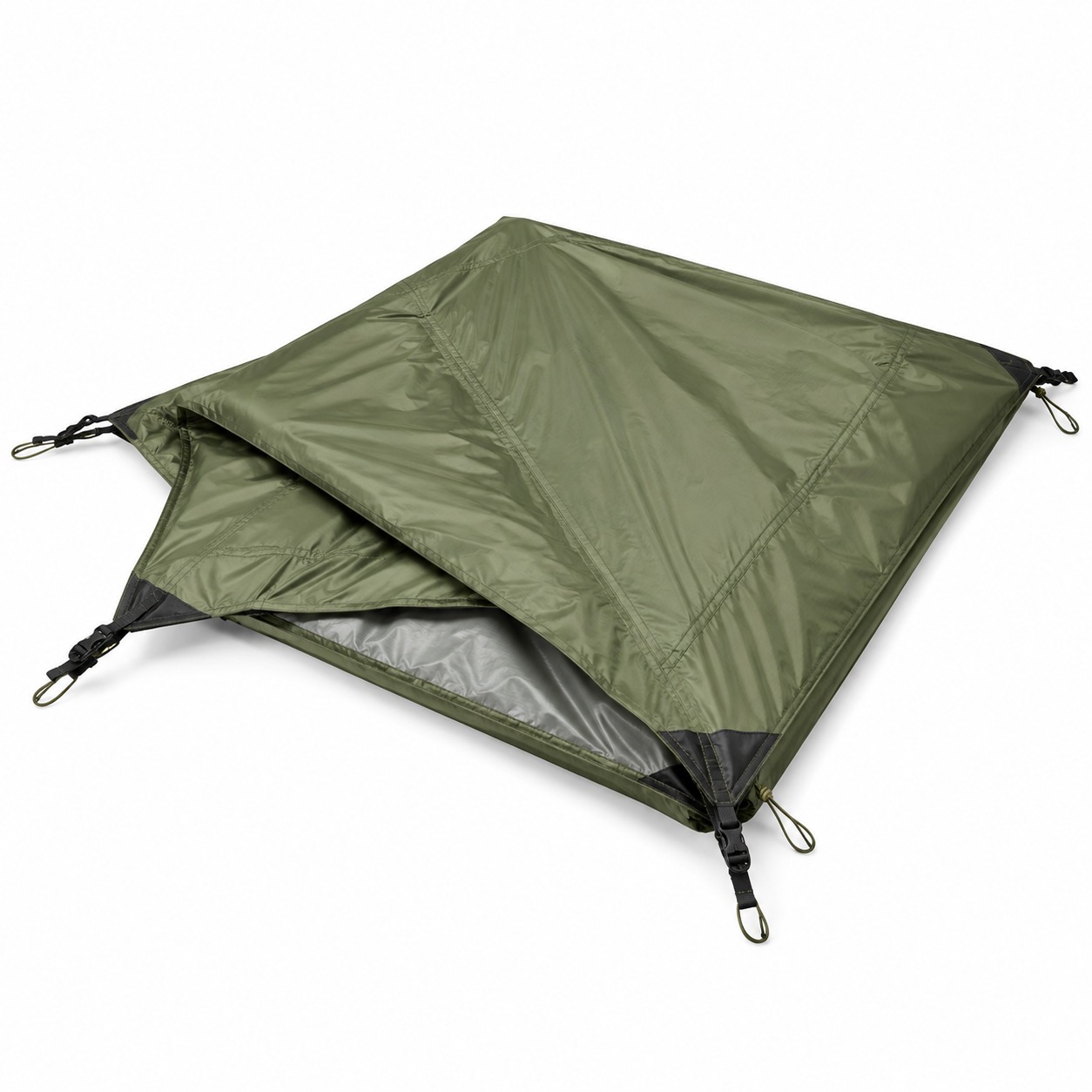
Rain fly
Why choose it? Check fit, sizing and the needs of your actual activity before purchasing.
View on Amazon (paid link)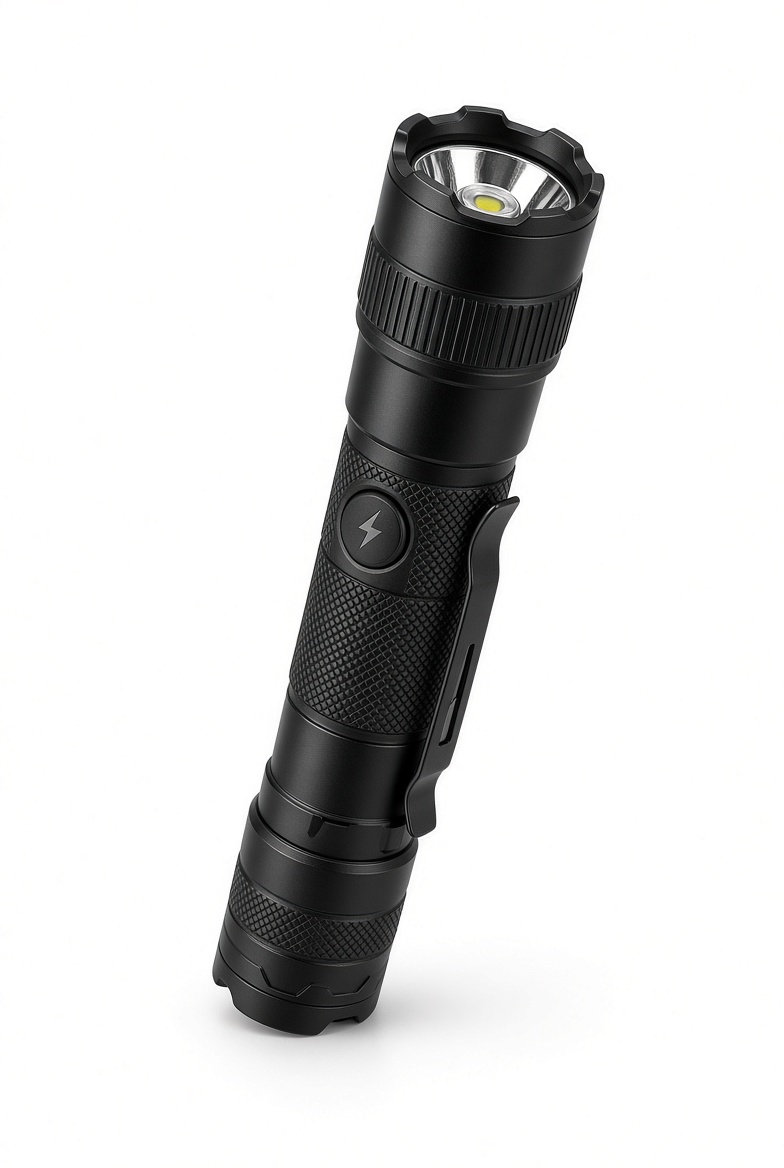
Rechargeable flashlight
Why choose it? Check fit, sizing and the needs of your actual activity before purchasing.
View on Amazon (paid link)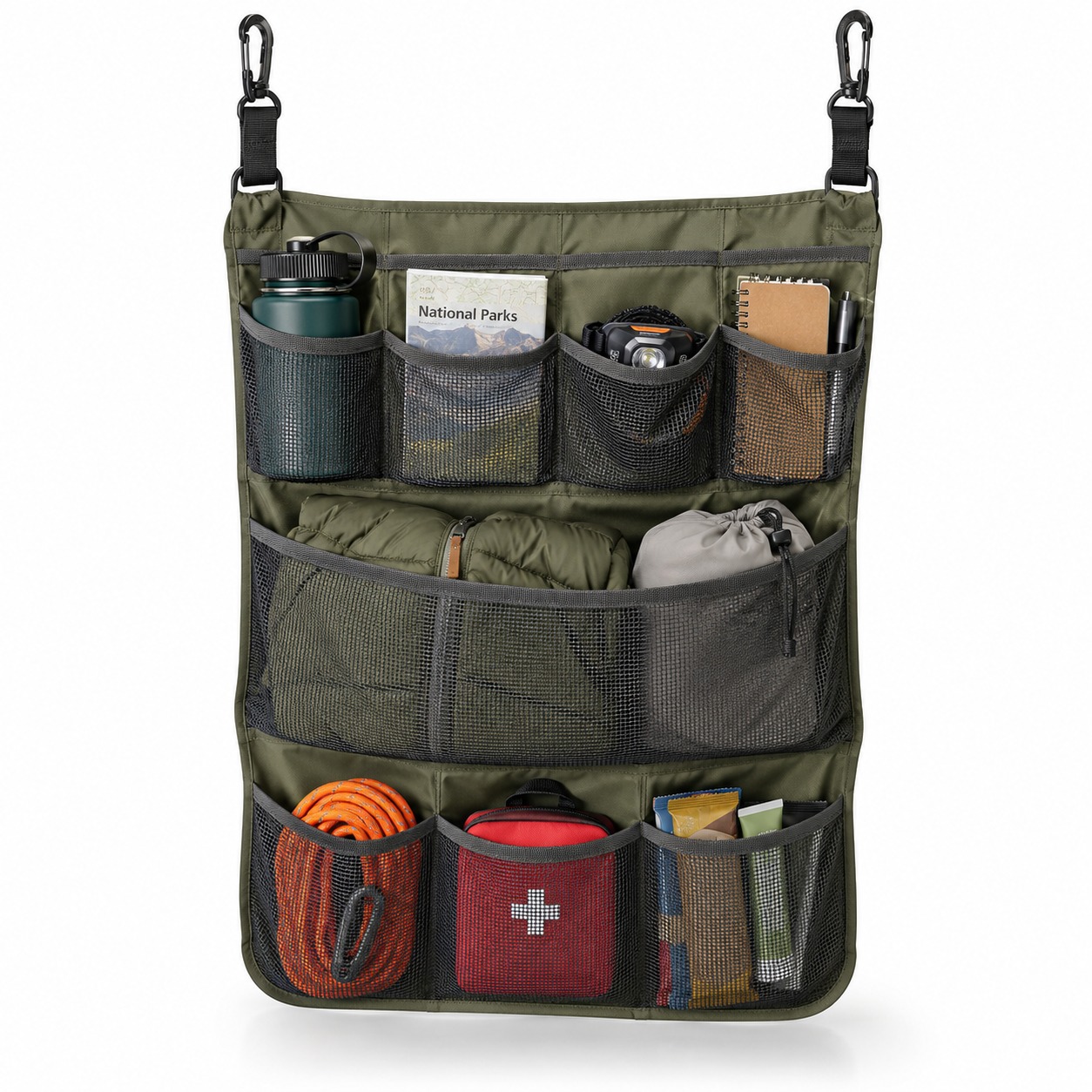
Tent organizer
Why choose it? Check fit, sizing and the needs of your actual activity before purchasing.
View on Amazon (paid link)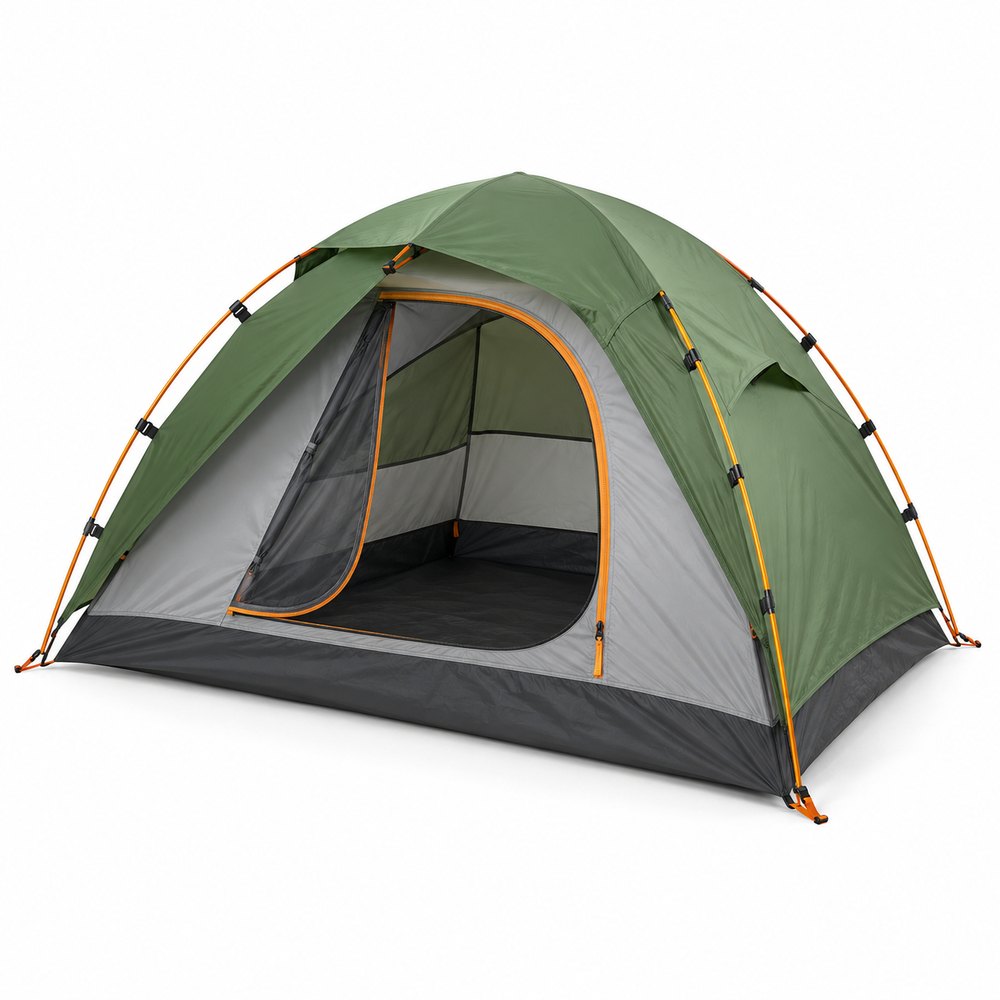
Three-season camping tent
Why choose it? Check fit, sizing and the needs of your actual activity before purchasing.
View on Amazon (paid link)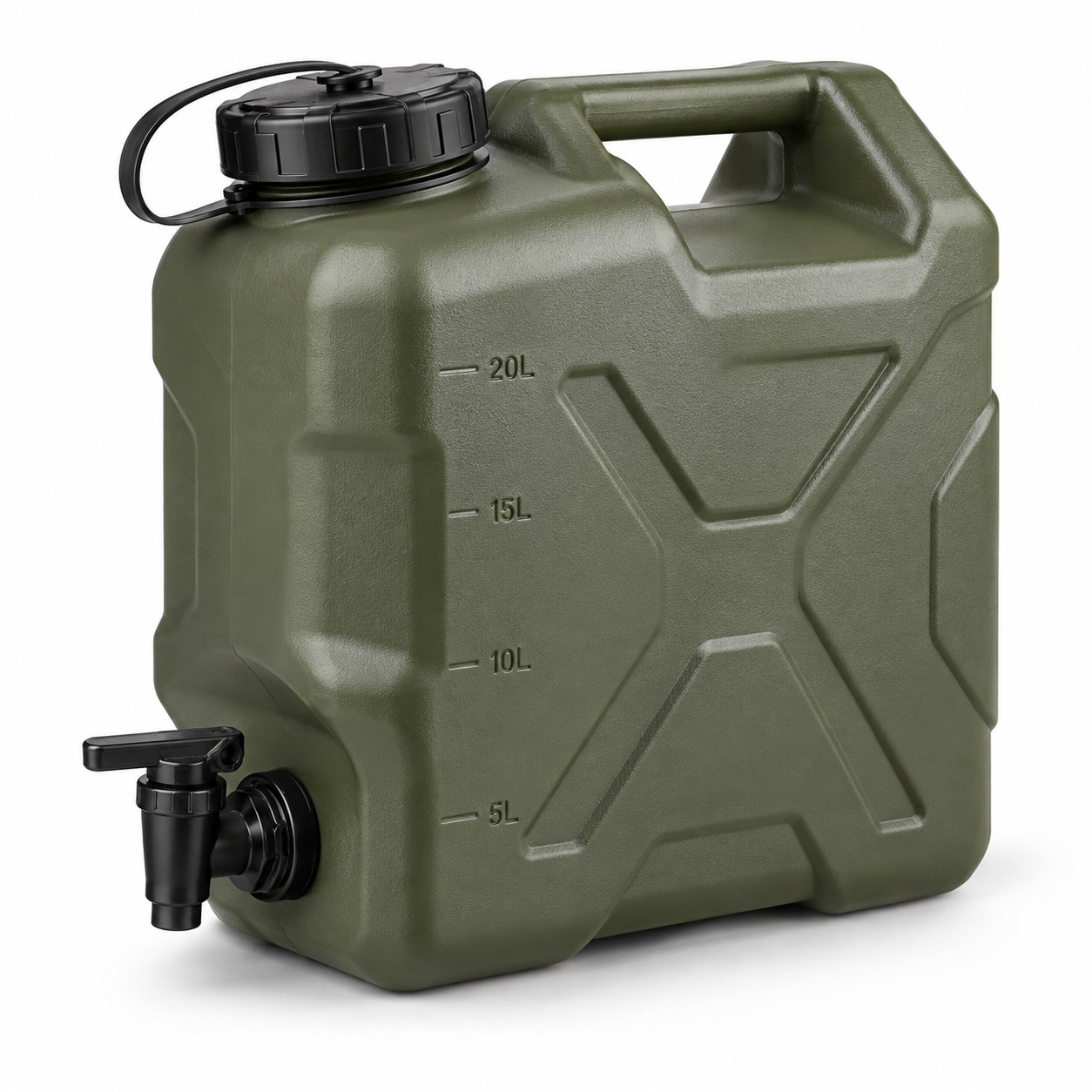
Water container
Why choose it? Check fit, sizing and the needs of your actual activity before purchasing.
View on Amazon (paid link)Outdoor safety and preparedness · 10 products
Browse equipment category →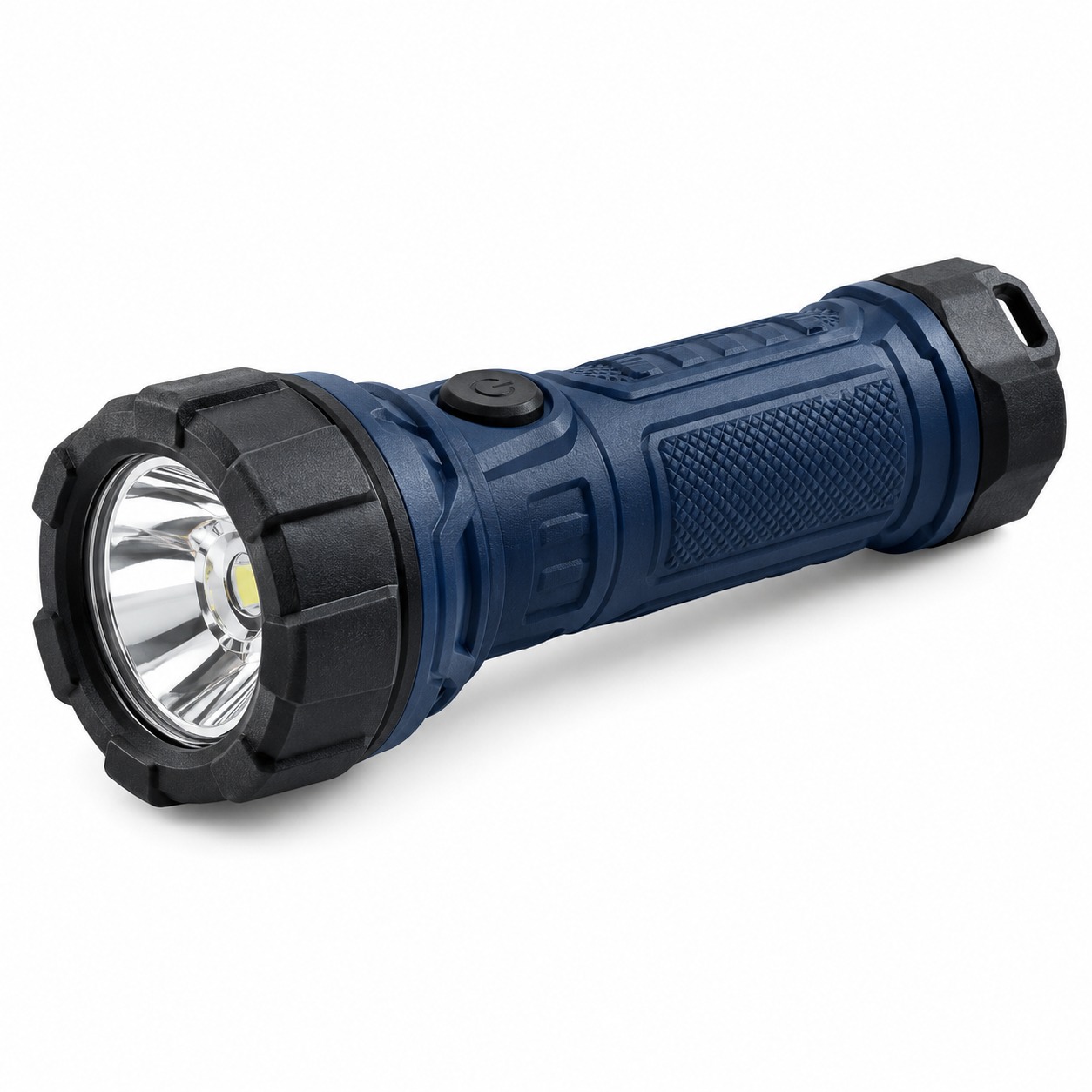
Approved activity-appropriate flotation equipment
Why choose it? Check fit, sizing and the needs of your actual activity before purchasing.
View on Amazon (paid link)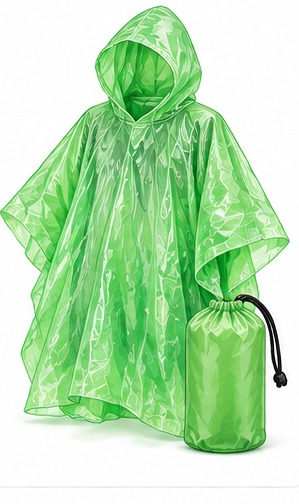
Compact emergency rain poncho
Why choose it? Check fit, sizing and the needs of your actual activity before purchasing.
View on Amazon (paid link)
Emergency reflective signal
Why choose it? Check fit, sizing and the needs of your actual activity before purchasing.
View on Amazon (paid link)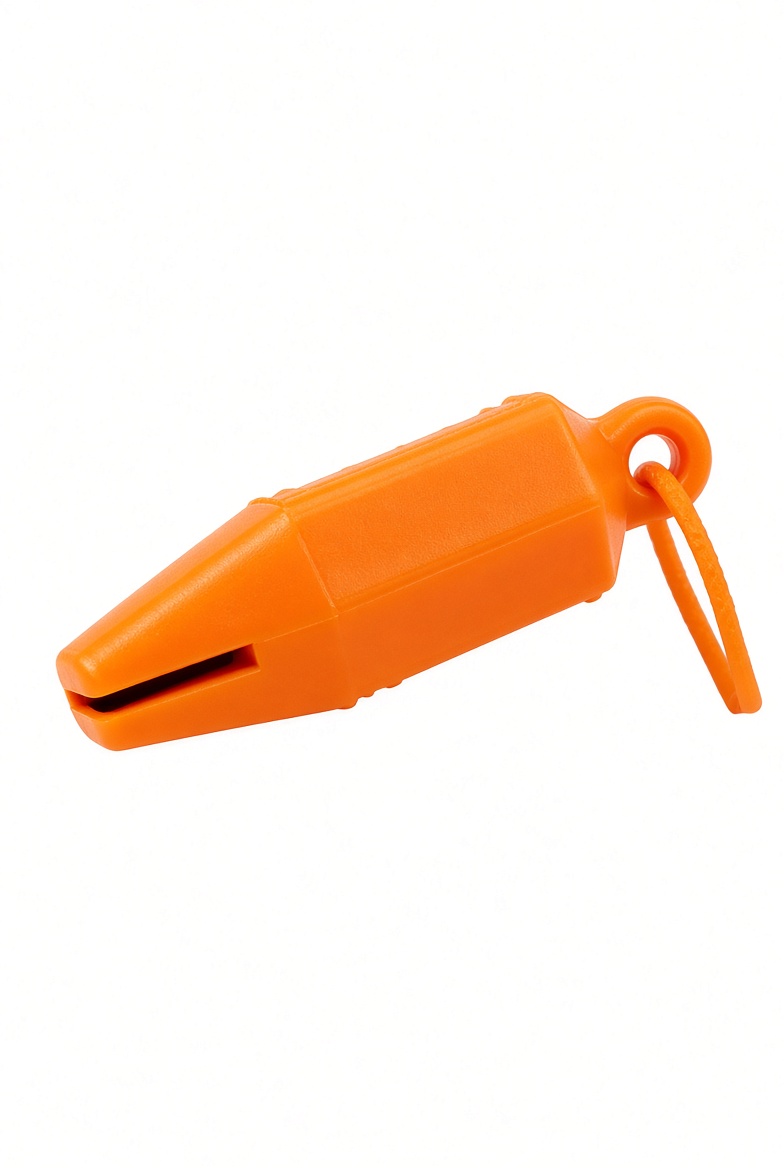
Emergency whistle
Why choose it? Check fit, sizing and the needs of your actual activity before purchasing.
View on Amazon (paid link)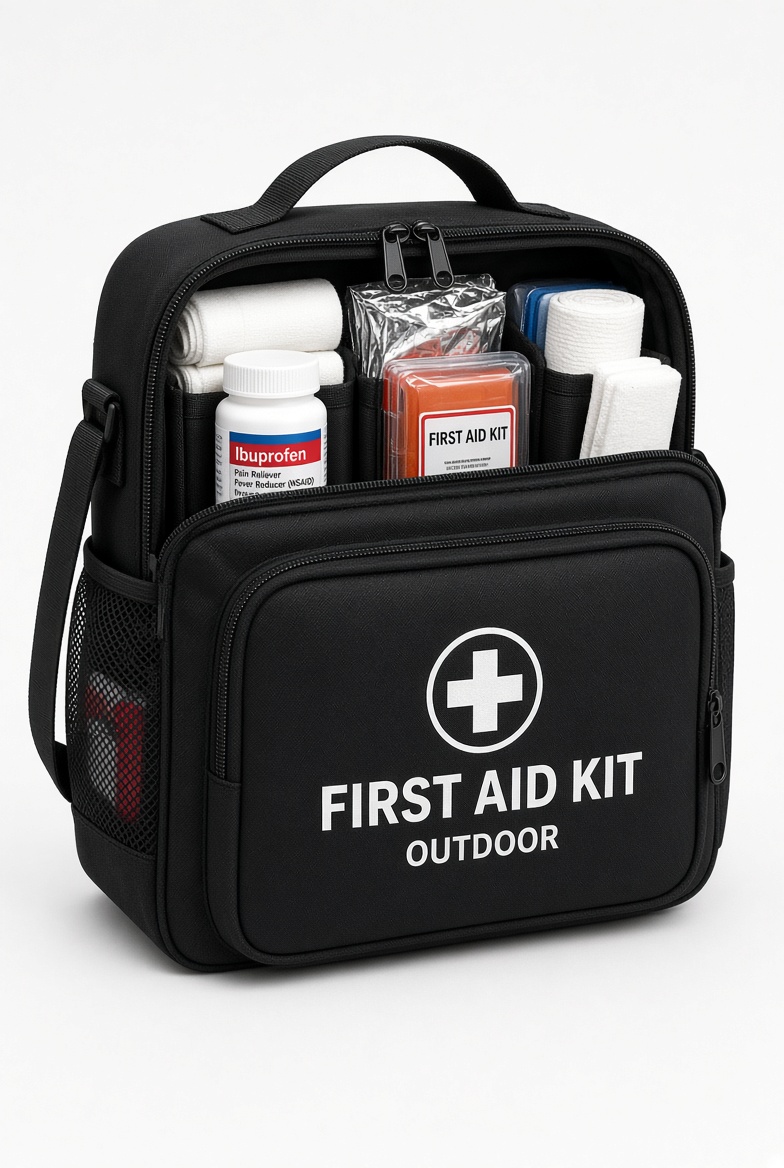
First-aid supply kit
Why choose it? Check fit, sizing and the needs of your actual activity before purchasing.
View on Amazon (paid link)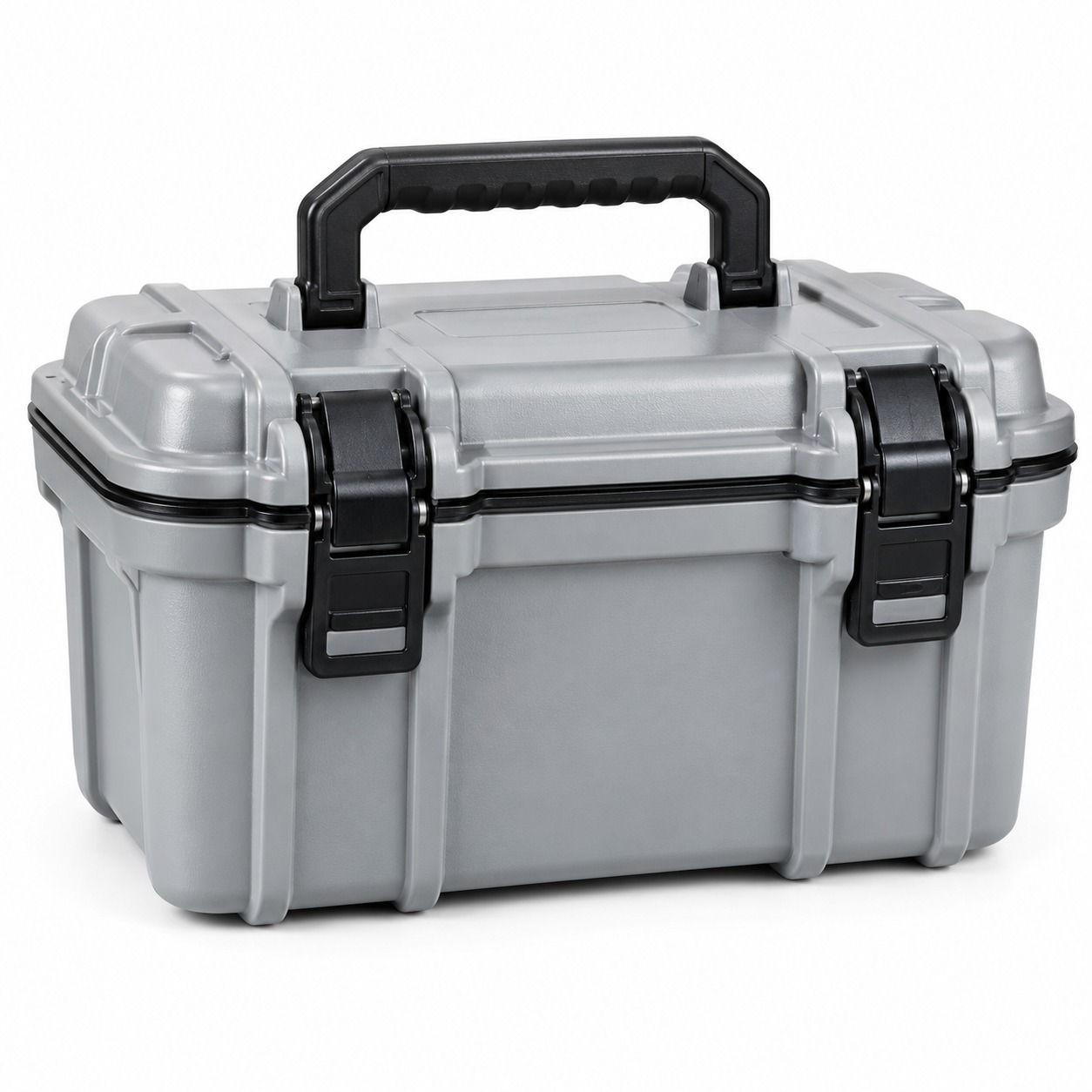
Personal hydration reserve
Why choose it? Check fit, sizing and the needs of your actual activity before purchasing.
View on Amazon (paid link)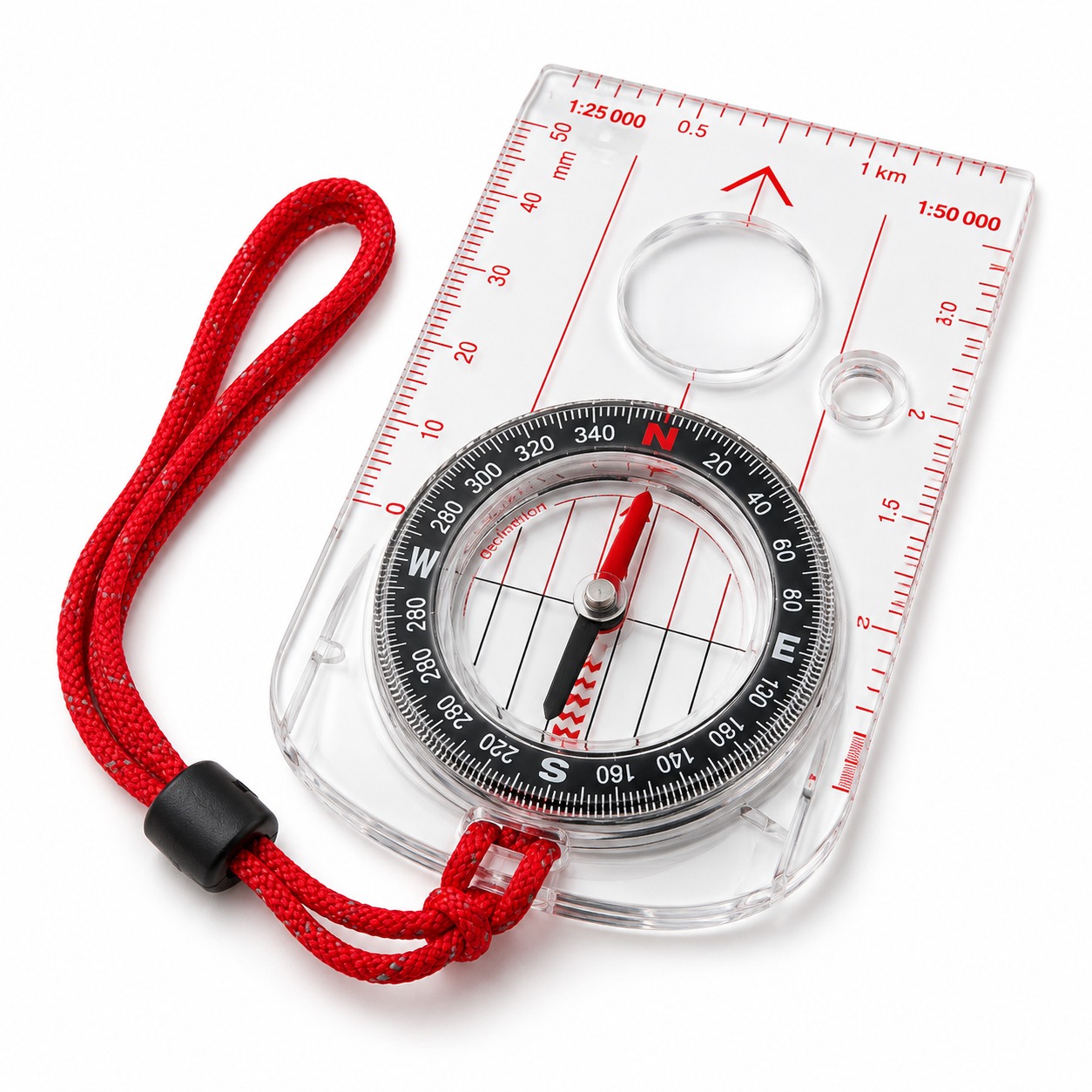
Portable compass
Why choose it? Check fit, sizing and the needs of your actual activity before purchasing.
View on Amazon (paid link)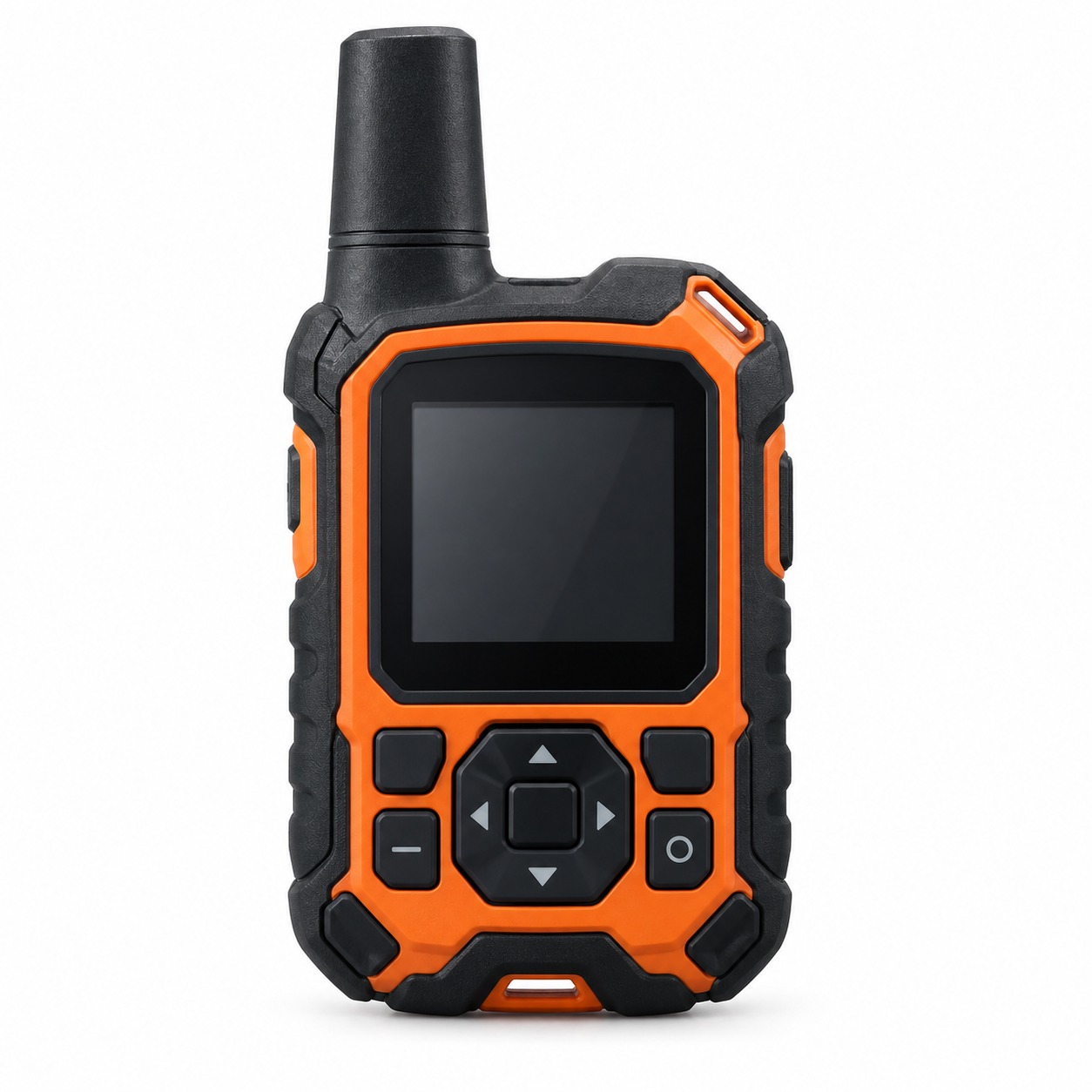
Satellite communication device for remote areas
Why choose it? Check fit, sizing and the needs of your actual activity before purchasing.
View on Amazon (paid link)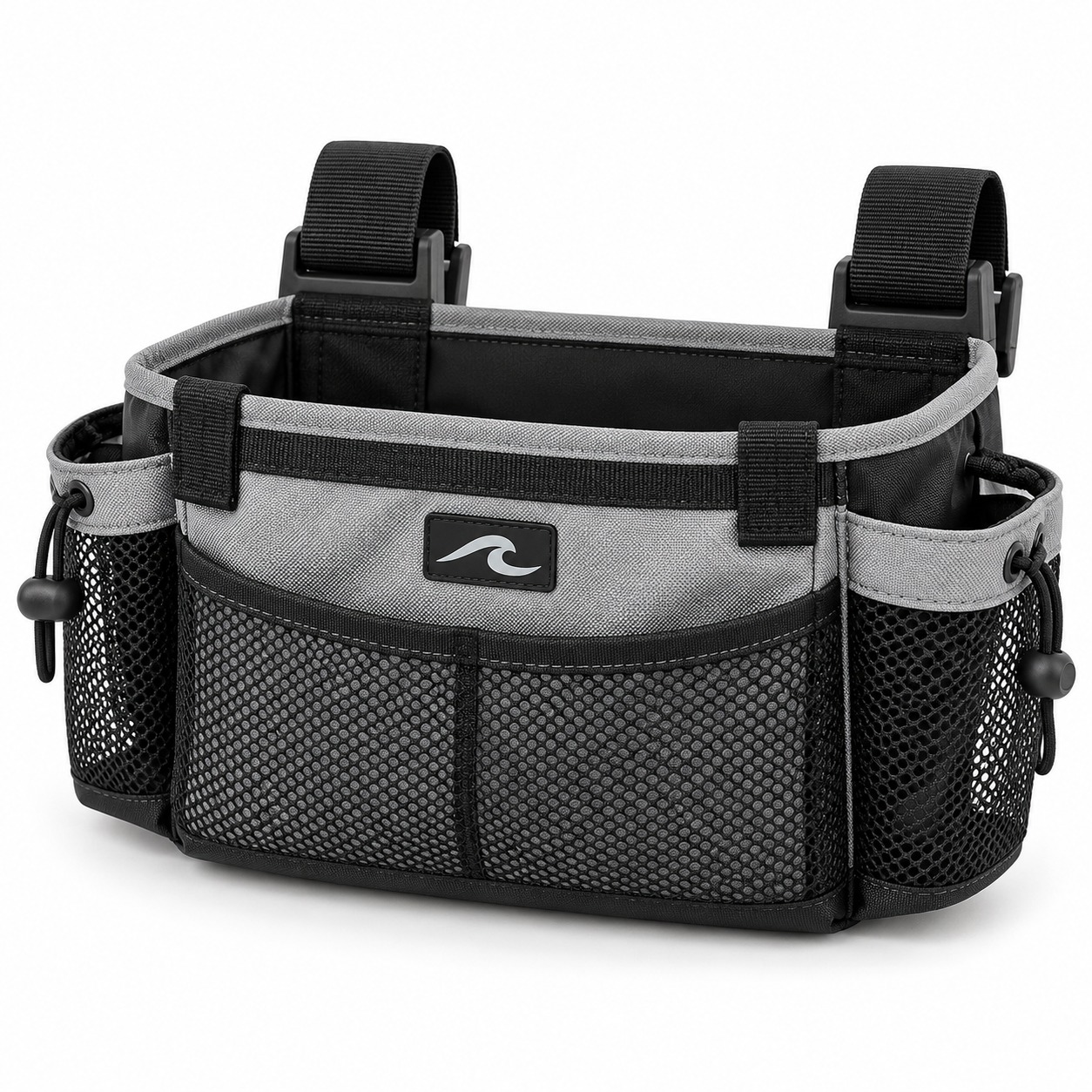
Waterproof emergency document pouch
Why choose it? Check fit, sizing and the needs of your actual activity before purchasing.
View on Amazon (paid link)Rechargeable flashlight
Why choose it? Check fit, sizing and the needs of your actual activity before purchasing.
View on Amazon (paid link)Make your own list
Pick an activity and choose what you already own. No purchase required.
Build an interactive packing list